


Can pumpkin and eggplant be eaten together?
Jan 08, 2025
Source: Cainiu Health

Dr. Yang Ziqi
Introduction
Pumpkin is rich in nutrients such as beta-carotene, vitamin C, vitamin E, dietary fiber, and pectin. Beta-carotene can be converted into vitamin A in the body, which is beneficial for eye and skin health. Dietary fiber helps promote intestinal motility and prevent constipation. Eggplant is rich in nutrients such as vitamin P, vitamin C, vitamin E, potassium, and magnesium.
Generally speaking, pumpkin and eggplant can be eaten together. The detailed analysis is as follows:
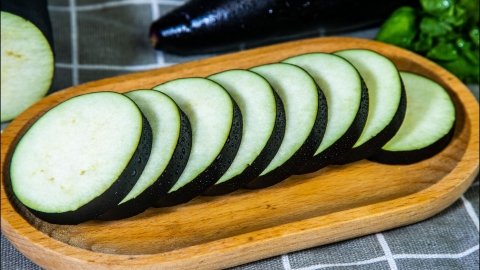
Pumpkin contains abundant nutrients such as carotene, vitamin C, vitamin E, dietary fiber, and pectin. Carotene can be converted into vitamin A in the body, which is beneficial for eye and skin health. Dietary fiber helps promote intestinal motility and prevent constipation. Eggplant is rich in nutrients including vitamin P, vitamin C, vitamin E, potassium, magnesium, and others. Vitamin P can enhance capillary elasticity and help prevent cardiovascular diseases. Potassium is very important for maintaining normal heart and muscle function.
The polysaccharides in pumpkin work together with antioxidant substances like vitamin C and vitamin E in eggplant, more effectively enhancing the body's immunity and resistance to external pathogens. In addition, both pumpkin and eggplant are rich in dietary fiber, which can promote intestinal motility, accelerate digestion and absorption of food, and help prevent digestive issues such as constipation.
When consuming, it is important to maintain moderate intake. Excessive consumption may burden the gastrointestinal tract, causing symptoms such as bloating and diarrhea. Individuals with weak spleen and stomach function, indigestion, or sensitivity to certain components in pumpkin or eggplant should consume them cautiously.


