What foods contain vitamins A, B, C, D, and E respectively?
Dec 09, 2025
Source: Cainiu Health

Dr. Huang Yuhong
Introduction
Vitamin-rich foods are widely available, including those high in vitamin A, B-complex vitamins, vitamin C, vitamin D, and vitamin E. Animal livers, such as pork and chicken liver, are excellent sources. Among plant-based foods, carrots, pumpkin, spinach, and mango contain carotene.
Vitamin-rich foods are widely available and generally include those high in vitamin A, B-complex vitamins, vitamin C, vitamin D, and vitamin E. The details are as follows:
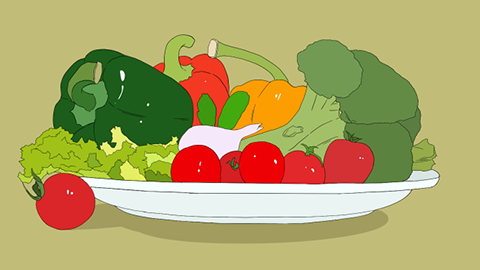
1. Foods rich in vitamin A: Animal liver is an excellent source, such as pork or chicken liver. In plant-based foods, beta-carotene is found in carrots, pumpkin, spinach, mangoes, etc., which the body can convert into vitamin A, effectively meeting bodily needs for this vitamin.
2. Foods rich in B-complex vitamins: Whole grains such as oats, brown rice, and wheat; lean meats, eggs, milk; as well as legumes and dark green vegetables are all rich in various types of B vitamins, supporting metabolic functions throughout the body.
3. Foods rich in vitamin C: Fresh fruits and vegetables are primary sources, including oranges, grapefruits, kiwifruit, strawberries, tomatoes, and green peppers, all of which are particularly high in vitamin C. These nutrients are easily obtained through daily diets to meet the body's requirements.
4. Foods rich in vitamin D: Fatty fish such as salmon, cod, and sardines; egg yolks; and dairy products naturally contain vitamin D and serve as important dietary sources of this vitamin.
5. Foods rich in vitamin E: Nuts like almonds, walnuts, and hazelnuts; vegetable oils such as olive oil and sunflower oil; as well as avocados and spinach are all relatively high in vitamin E, which can be consumed through a varied diet.
A balanced daily diet should emphasize diverse food combinations, avoiding overreliance on single items, to ensure adequate and balanced intake of all essential vitamins. By tailoring ingredient choices to individual dietary patterns, people can maintain nutritional balance and support overall health.