


What works best when paired with Dang Gui (Chinese angelica root)?
Jan 22, 2025
Source: Cainiu Health

Dr. Sun Lianqing
Introduction
In general, Angelica (Dang Gui) works better when combined with Poria (Fu Ling), ginger, Astragalus (Huang Qi), white peony (Bai Shao), and prepared rehmannia (Shu Di Huang). If you plan to use the above herbs, it is recommended to consult a physician. Poria has functions of promoting diuresis to remove dampness, strengthening the spleen, and calming the mind. When used together with Angelica, it can harmonize the spleen and stomach, enhance the blood-nourishing effect, and also improve symptoms such as edema and insomnia caused by spleen and stomach weakness.
Generally, Angelica sinensis (Dang Gui) works better when combined with Poria (Fu Ling), ginger, Astragalus (Huang Qi), white peony (Bai Shao), Rehmannia glutinosa (Shu Di Huang), etc. If you need to use the above herbs, it is recommended to consult a doctor first. The detailed analysis is as follows:
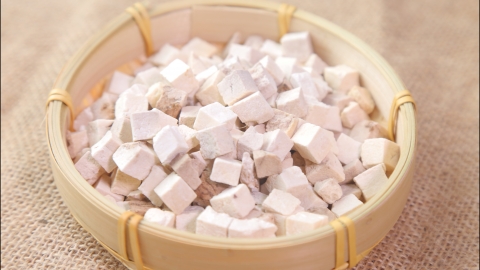
1. Poria (Fu Ling)
Poria has functions of promoting diuresis to remove dampness, strengthening the spleen, and calming the mind. When used together with Angelica sinensis, it can harmonize the spleen and stomach, enhance the blood-nourishing effect, and simultaneously improve symptoms such as edema and insomnia caused by spleen and stomach weakness.
2. Ginger
Ginger is warm in nature and can induce perspiration to relieve exterior syndromes and warm the middle jiao to stop vomiting. Combining Angelica sinensis with ginger can promote blood circulation and dispel cold, thus alleviating symptoms such as cold constitution and dysmenorrhea. It is especially suitable for consumption during winter.
3. Astragalus (Huang Qi)
Astragalus is a commonly used herb for replenishing qi, which can enhance immune function. When combined with Angelica sinensis, it can simultaneously nourish both qi and blood, thus strengthening the constitution. It is suitable for postoperative recovery, chronic fatigue, and conditions associated with low immunity.
4. White Peony (Bai Shao)
White peony has functions of nourishing blood, preserving yin, nourishing the liver, and relieving pain. When combined with Angelica sinensis, it not only enhances the blood-nourishing effect but also alleviates pain caused by blood deficiency, such as dysmenorrhea and headaches.
5. Rehmannia glutinosa (Shu Di Huang)
Rehmannia glutinosa has effects of nourishing blood, enriching yin, and replenishing marrow. When used together with Angelica sinensis, it can further enhance the blood-nourishing function, improve symptoms of yin deficiency in the liver and kidney, and aid in overall body regulation.
However, it should be noted that individuals differ in constitution and symptoms; therefore, appropriate combinations should be selected based on individual conditions when using these herbs.





