


Is a 1.0cm cervical cyst serious?
Jan 24, 2025
Source: Cainiu Health

Dr. Zhang Lu
Introduction
In general, whether a 1.0 cm cervical cyst is serious needs to be determined based on the specific circumstances. If there are no accompanying symptoms, it usually is not serious; however, if other discomfort symptoms are present, it may be more serious. Change underwear frequently, and keep the external genital area clean and dry. Avoid unhygienic sexual activity to reduce the risk of cervical irritation and infection.
Generally speaking, whether a 1.0cm cervical cyst is serious depends on the specific circumstances. If there are no accompanying symptoms, it usually is not serious; however, if other discomfort symptoms are present, it may be more severe. If discomfort occurs, timely medical consultation is recommended. Detailed analysis is as follows:
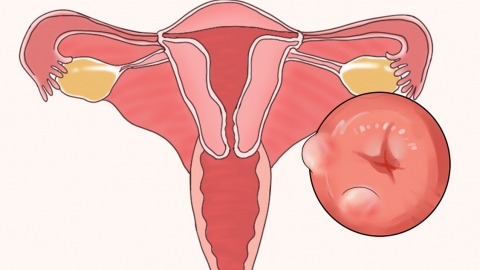
Cervical cysts mainly occur due to narrowing or blockage of the cervical glandular duct openings, which leads to impaired drainage and retention of glandular secretions, forming a cyst. If a patient has a cervical cyst measuring 1.0cm in size and no other symptoms such as pain, bleeding, or abnormal vaginal discharge are present, the condition is usually not serious. In this case, the cyst may represent a physiological change caused by mucus secreted by columnar epithelium being unable to drain properly, and generally does not require special treatment. Doctors may recommend regular follow-up visits, with gynecological examinations and HPV testing every six months to monitor for possible malignant changes or viral infections.
However, if patients experience abnormal symptoms such as increased vaginal discharge, foul odor, lumbosacral pain, or lower abdominal discomfort, it may indicate that the cyst has caused cervical inflammation or other lesions, which would be considered more serious. In such cases, patients need to seek timely medical attention and undergo further examinations and treatment under a doctor's guidance.
In daily life, patients should ensure adequate rest and avoid excessive fatigue and strenuous exercise. Additionally, maintaining a cheerful mood and sufficient sleep is important. Patients should change their underwear frequently and maintain cleanliness and dryness of the external genital area. Avoiding unhygienic sexual practices is also essential to reduce the risk of cervical irritation and infection.


