


What to do about surgical scars
Jan 25, 2025
Source: Cainiu Health

Dr. Chen Lu
Introduction
Under normal circumstances, surgical scars can be removed through medication, local massage, laser therapy, radiofrequency therapy, dermabrasion, and other methods. Diet also plays an important role in skin recovery; a balanced diet should be maintained, with increased intake of foods rich in protein, vitamins, and minerals, such as lean meat, fish, vegetables, and fruits.
Generally, surgical scars can be removed through methods such as local massage, medication treatment, laser therapy, radiofrequency therapy, and dermabrasion. Detailed explanations are as follows:
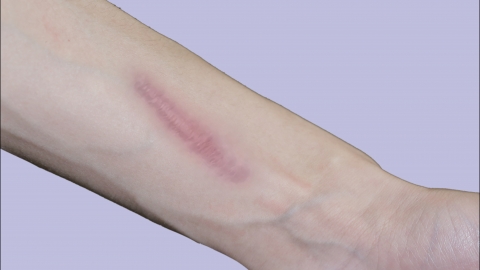
1. Local Massage
Local massage can enhance blood circulation in the scar area, improve tissue metabolism, and help fade scars. Patients can use the heel of their hand to gently massage the scar several times daily, each session lasting for several minutes.
2. Medication Treatment
Under a doctor's guidance, medications such as compound sodium heparin and allantoin gel, vitamin E cream, and septilin cream can be used. These medications help inhibit scar proliferation, soften scar tissue, and promote skin repair.
3. Laser Therapy
Laser therapy uses lasers of different wavelengths to selectively target scar tissue with photothermal effects, stimulating collagen regeneration in the skin and gradually flattening and softening the scar. The general reference cost for laser therapy is 3000-8000 yuan per session. Improvement can typically be seen after 1-2 months, though mild side effects such as localized pain and wound infection may occur.
4. Radiofrequency Therapy
Radiofrequency therapy utilizes thermal energy generated by radiofrequency technology to act on scar tissue, promoting collagen contraction and regeneration, thus improving the texture and appearance of scars. The general reference cost for radiofrequency therapy is 3000-8000 yuan per session, with noticeable improvement typically seen after 2-3 months. Mild side effects such as slight redness, swelling, and a sensation of heat may occur.
5. Dermabrasion
Dermabrasion involves using tiny crystal particles or a medical electric grinding wheel to wear away the scar surface, stimulating the skin's regenerative capacity, thereby improving the texture and appearance of scars and making them less noticeable. The general reference cost for dermabrasion is 2000-5000 yuan per session, with improvement typically visible after 2-3 weeks. Possible side effects include temporary skin pigmentation and pain.
Diet also significantly impacts skin recovery. A balanced diet rich in protein, vitamins, and minerals—such as lean meat, fish, vegetables, and fruits—should be maintained. These foods help promote the regeneration and repair of skin cells, accelerating the wound healing process.






