


Does polycystic ovary syndrome cause irregular menstruation?
Jan 25, 2025
Source: Cainiu Health

Dr. Zhang Lu
Introduction
In general, polycystic ovary syndrome (PCOS) may lead to menstrual irregularities. PCOS is primarily an endocrine and metabolic disorder characterized by elevated levels of androgens and an imbalance in gonadotropin ratios. Excess androgens can inhibit normal follicular development, and the ovaries may develop multiple small follicles that fail to mature and ovulate properly.
Generally, polycystic ovary syndrome (PCOS) may cause menstrual irregularities. If discomfort occurs, timely medical consultation is recommended. Detailed analysis is as follows:
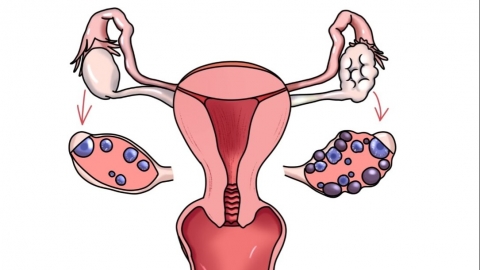
Polycystic ovary syndrome is primarily an endocrine and metabolic disorder characterized by excessive levels of androgens and imbalanced gonadotropin ratios. High androgen levels can inhibit the normal development of follicles, leading to the presence of multiple small follicles in the ovaries that fail to mature and ovulate properly. The absence of ovulation results in prolonged stimulation of the endometrium by unopposed estrogen, causing abnormal endometrial growth and consequently leading to menstrual irregularities. Symptoms may also include hirsutism and infertility. Patients with PCOS can receive treatment with medications such as dydrogesterone tablets, combined estradiol valerate tablets, and spironolactone tablets under a doctor's guidance.
In addition to PCOS, menstrual irregularities may also be caused by various other factors, including endocrine disorders, organic diseases, psychological factors, unhealthy lifestyle habits, and medication effects. If you suspect you have a condition related to menstrual irregularities, timely medical consultation is advised for gynecological examination, ultrasound, hormone level testing, and other necessary diagnostic procedures.
In daily life, it is recommended to consume more nutrient-rich foods such as vegetables and fruits, and to avoid foods high in sugar, fat, and salt.


