


How to lose weight with polycystic ovary syndrome
Apr 27, 2025
Source: Cainiu Health

Dr. Zhang Lu
Introduction
Patients with polycystic ovary syndrome (PCOS) need to approach weight loss comprehensively, including adjusting dietary composition, controlling food intake, engaging in regular aerobic exercise, increasing strength training, and ensuring adequate sleep. It is important to undergo regular physical examinations, including monitoring indicators such as blood glucose, blood lipids, and hormone levels, to keep track of health status and promptly identify and address any issues through timely adjustments in treatment and lifestyle.
Generally, patients with polycystic ovary syndrome (PCOS) need to approach weight loss from multiple aspects, including adjusting dietary patterns, controlling food intake, engaging in regular aerobic exercise, reducing stress, and ensuring sufficient sleep. A detailed analysis is as follows:
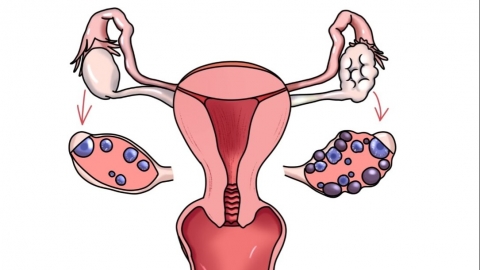
1. Adjust Dietary Patterns
Patients with PCOS should increase their intake of dietary fiber by consuming more vegetables, fruits, and whole grains. These foods can enhance satiety, reduce the consumption of high-calorie foods, and help regulate blood sugar levels. It is important to limit high-sugar and high-fat foods, such as candies and fried foods, which can easily lead to excessive calorie intake and subsequent fat accumulation.
2. Control Food Intake
It is recommended to eat smaller, more frequent meals to avoid large fluctuations in blood sugar levels caused by overeating at one time, which can promote fat accumulation. Using smaller dining utensils can visually increase the perceived portion size, helping to control intake at each meal while reducing hunger between meals and preventing overeating.
3. Engage in Regular Aerobic Exercise
Participate in at least 150 minutes per week of moderate-intensity aerobic exercise, such as brisk walking, which effectively burns calories and improves cardiorespiratory function. Jogging can enhance endurance and accelerate fat burning. Swimming places less pressure on the joints, making it suitable for most people; it also engages the whole body's muscles and boosts metabolism.
4. Reduce Stress
Long-term high-stress states may lead to hormonal imbalances, which can negatively affect weight loss. Stress can be alleviated through meditation, yoga, deep breathing, listening to music, traveling, and other relaxation techniques to relieve anxiety.
5. Ensure Sufficient Sleep
Ensure 7–9 hours of high-quality sleep each night to support the recovery of bodily organs and maintain hormonal balance. Sleep deprivation can disrupt hormone secretion, increase appetite, especially for high-calorie foods, and impair metabolism, affecting fat breakdown and utilization.
Regular health checkups should be conducted to monitor indicators such as blood glucose, lipid levels, and hormone levels, so as to promptly understand one's health status, identify problems early, and adjust treatment and lifestyle accordingly. Additionally, avoid prolonged sitting; during work or study, get up and move around periodically to promote blood circulation and enhance metabolic function.


