


Is moxibustion effective in treating cervical spondylosis?
Jan 25, 2025
Source: Cainiu Health

Dr. Zhang Xiuhong
Introduction
The effectiveness of moxibustion in treating cervical spondylosis varies depending on the severity of the condition. In mild cases, moxibustion can help warm the meridians, dispel cold, and promote the circulation of blood and qi, thereby relieving symptoms and reducing discomfort. However, for more severe cases, moxibustion alone may not be sufficiently effective, and a combination with other therapies such as acupuncture, massage, or medication may be necessary. Medications such as aspirin tablets, ibuprofen sustained-release tablets, and eperisone hydrochloride tablets may be used when necessary to aid in the recovery of the cervical spine.
Generally speaking, whether moxibustion is effective in treating cervical spondylosis mainly depends on the severity of the condition. If the condition is relatively mild, moxibustion may have some therapeutic effect. However, if the condition is severe, the effectiveness of moxibustion may be less satisfactory. If experiencing any discomfort, timely medical consultation is recommended. Detailed explanation is as follows:
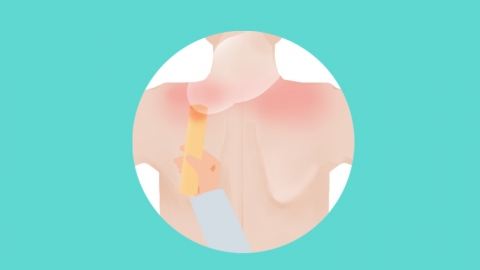
If the cervical spondylosis is relatively mild and the patient experiences only slight neck pain and numbness without affecting normal activities, moxibustion therapy generally can have a certain effect. Moxibustion has the function of warming the meridians, dispersing cold, and promoting blood circulation. When used for treating cervical spondylosis, it can help remove wind-cold-damp pathogenic factors in the cervical area and relieve discomfort caused by external invasion of wind, cold, and dampness. Meanwhile, it can improve blood circulation and help alleviate nerve compression.
However, if the cervical spondylosis is relatively severe and the patient experiences additional symptoms such as cervical spine misalignment, severe pain, dizziness, etc., the effect of moxibustion alone is often unsatisfactory. In such cases, other treatment methods such as acupuncture, spinal manipulation, and massage may be required to promote local circulation. When necessary, medications such as aspirin tablets, ibuprofen sustained-release tablets, and eperisone hydrochloride tablets should be taken under medical guidance.
It is recommended that patients develop individualized treatment plans according to their specific conditions and disease severity to control disease progression. During treatment, attention should also be given to local decompression and keeping the area warm to facilitate recovery.


