


Why is there always phlegm in the throat, and what should be done?
Jan 25, 2025
Source: Cainiu Health

Dr. Lu Cheng
Introduction
Under normal circumstances, persistent phlegm in the throat may be caused by increased mucus secretion, weakened swallowing function, chronic pharyngitis, postnasal drip syndrome, bronchitis, or other reasons. If discomfort symptoms occur, it is recommended to seek timely medical attention at a hospital and follow standardized treatment under a doctor's guidance. It is also advised to maintain a balanced diet in daily life and avoid high-fat, spicy, and irritating foods.
Generally, persistent phlegm in the throat may be caused by increased mucus secretion, weakened swallowing function, chronic pharyngitis, postnasal drip syndrome, bronchitis, and other factors. Treatment can be carried out under the guidance of a physician through general approaches or medication. If discomfort symptoms occur, it is recommended to seek timely medical consultation for standardized treatment under a doctor's guidance. Detailed analysis is as follows:
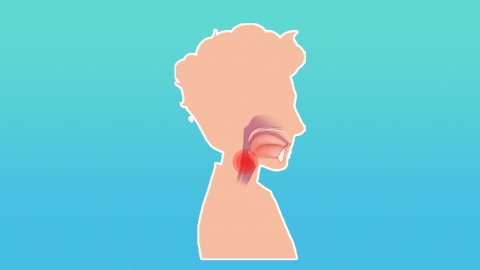
1. Increased Mucus Secretion
Persistent phlegm sensation in the throat might result from increased normal mucus secretion by the throat and upper respiratory tract mucosa. Mucus helps maintain respiratory tract moisture and clears foreign substances, but in dry environments or due to dietary irritation, mucus secretion may increase, causing a phlegm-like feeling in the throat. It is recommended to keep indoor air humid, drink plenty of water to dilute mucus, avoid smoking and inhaling harmful gases, and reduce irritation to the upper respiratory mucosa.
2. Weakened Swallowing Function
Weakened swallowing function may be related to aging, oral or throat diseases, neurological disorders, and other factors. This may cause phlegm to remain in the throat, creating a persistent sensation of phlegm. It is recommended to strengthen oral and throat exercises, such as chewing gum and performing swallowing training, to maintain normal swallowing function.
3. Chronic Pharyngitis
Chronic pharyngitis is usually caused by bacterial or viral infections, long-term smoking, alcohol consumption, spicy foods, and other factors. Chronic pharyngitis leads to congestion and edema of the throat mucosa and increased mucus secretion, resulting in persistent phlegm in the throat. Symptoms may include throat pain, dryness, foreign body sensation, coughing, and more. It is recommended to use medications such as Amoxicillin Capsules, Honeysuckle Granules, Cetylpyridinium Iodide Lozenges, and others under medical guidance.
4. Postnasal Drip Syndrome
Postnasal drip syndrome mainly results from nasal or sinus inflammation or allergies causing increased secretions that flow backward into the throat. These secretions irritate the throat mucosa, causing persistent phlegm in the throat and possibly accompanied by coughing and throat discomfort. Treatment can be administered under medical guidance using medications such as Cetirizine Tablets, Budesonide Nasal Spray, Eucalyptus Oil Soft Capsules, and others.
5. Bronchitis
Bronchitis is typically caused by bacterial or viral infections, smoking, air pollution, and other factors. Inflammation causes congestion and edema of the bronchial mucosa with increased secretions, leading to persistent throat phlegm and possibly accompanied by coughing and wheezing. Medications such as Cefradine Capsules, Ambroxol Hydrochloride Oral Solution, Aminophylline Tablets, and others may be used as directed by a physician.
It is recommended to maintain a balanced diet daily, avoid high-fat, spicy, and irritating foods, and consume more foods rich in vitamins and fiber, which help maintain respiratory health.





