


Can persimmons be eaten with milk tea?
Feb 21, 2025
Source: Cainiu Health

Dr. Bai Hongmei
Introduction
Under normal circumstances, persimmons can be consumed with milk tea, but it is recommended to do so in moderation to avoid potential discomfort. Persimmons are a common fruit rich in vitamins, minerals, and dietary fiber, while milk tea is primarily made from tea, milk or non-dairy creamer, and sugar. There is no direct nutritional conflict between the two, and they will not cause adverse effects on the body.
Generally speaking, persimmons can be consumed with milk tea, but it is recommended to do so in moderation to avoid discomfort. Detailed explanation is as follows:
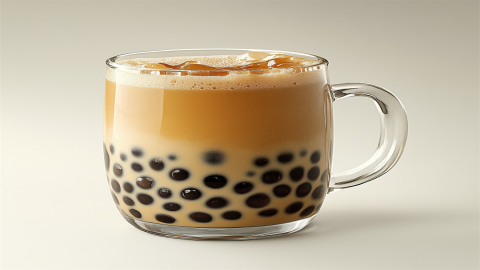
Persimmon is a common fruit rich in vitamins, minerals, and dietary fiber, while milk tea is primarily made from tea, milk or non-dairy creamer, and sugar. There is no direct nutritional conflict between the two, and they generally do not cause adverse effects on the body. If an individual is not allergic to either persimmon or any component of milk tea, and they are consumed in moderate amounts, eating persimmon together with milk tea is unlikely to cause adverse reactions.
It is recommended to consume only ripe persimmons. Unripe persimmons contain higher levels of tannic acid, which may combine with proteins in milk tea and form indigestible precipitates in the gastrointestinal tract, potentially causing abdominal pain.
Consuming large quantities of persimmon and milk tea together should also be avoided. Milk tea contains high levels of sugar, while persimmons are rich in both tannic acid and pectin. Consuming them together may increase the burden on the gastrointestinal system. It is recommended to consume them in moderation, maintain a balanced diet, and pay attention to individual bodily reactions.


