


Will milk tea go bad if left out overnight in winter?
Dec 08, 2025
Source: Cainiu Health

Dr. Huang Yuhong
Introduction
A milk tea left out overnight in winter may spoil. If the milk tea is not sealed and left at room temperature overnight, bacteria may still grow despite the lower winter temperatures. This is especially true for milk teas containing perishable ingredients such as cheese foam, fruit, or tapioca pearls, which accelerate bacterial growth. Spoilage signs include unpleasant odors, layering, sour taste, and changes in texture. Consuming spoiled milk tea may cause gastrointestinal discomfort.
Generally, milk tea left overnight in winter may spoil. Leaving it at room temperature makes it prone to deterioration, while sealed storage in the refrigerator without perishable ingredients allows for short-term preservation. If in doubt, it is advisable to consult a healthcare professional promptly. Detailed analysis is as follows:
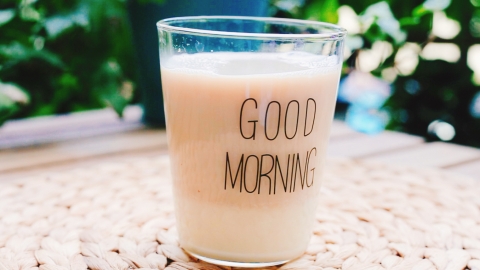
If milk tea is not sealed and left overnight at room temperature, bacteria may still grow despite the lower winter temperatures. This risk increases significantly if the drink contains perishable ingredients such as cream topping, fruit, or tapioca pearls. Bacterial growth can lead to spoilage signs including unpleasant odor, layering, and sour taste, which may cause gastrointestinal discomfort after consumption.
If the milk tea is properly sealed and promptly refrigerated, especially without perishable additions like fresh fruit or cream topping, the low temperature can effectively inhibit bacterial growth. In such cases, leaving it overnight typically does not result in spoilage. Before drinking, check for any abnormalities; reheating the beverage may improve flavor and further reduce health risks.
To safely store milk tea during winter, always opt for sealed refrigeration and avoid prolonged room-temperature storage. Milk tea containing perishable ingredients should be consumed on the same day. Inspect its condition before drinking—discard immediately if there is any off smell, separation, or other signs of spoilage. If accidental consumption leads to discomfort, seek medical attention promptly to ensure food safety.






