


Can Meibomian Gland Dysfunction-Related Dry Eye Be Cured?
Feb 21, 2025
Source: Cainiu Health

Dr. Wang Shuai
Introduction
In general, patients with mild to moderate dry eye caused by meibomian gland dysfunction can achieve effective control and symptom improvement with active treatment. For severe cases of dry eye due to meibomian gland dysfunction, the condition is more difficult to cure. It is recommended that patients seek timely medical attention at a hospital and follow medical advice for treatment. In daily life, patients are advised to improve their eye usage habits, avoid prolonged use of electronic devices, and ensure adequate eye rest.
In general, patients with mild to moderate meibomian gland dysfunction (MGD)-related dry eye can achieve effective control and symptom improvement with active treatment. However, severe MGD-related dry eye is more difficult to cure. Patients are advised to seek timely medical attention at a hospital and follow the treatment instructions provided by their doctors. Detailed explanation is as follows:
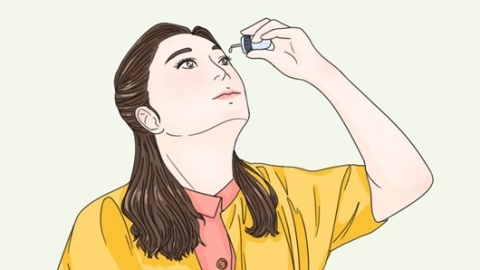
For patients with mild to moderate MGD-related dry eye, a comprehensive treatment plan including frequent daily application of warm compresses using a warm, damp towel can help soften the oils within the meibomian glands and promote their secretion. The removal of blocked material should be performed by a trained professional to help clear obstructed glands and improve meibomian gland function. With consistent treatment and adherence to medical advice, patients have a high likelihood of symptom improvement and may even achieve clinical remission.
Severe MGD-related dry eye may be difficult to completely cure. Structural changes in the meibomian glands caused over time may not be fully reversible, and with factors such as aging and eye usage habits, meibomian gland function may fluctuate again, leading to recurrence of dry eye symptoms.
In daily life, it is recommended to improve eye usage habits, avoid prolonged use of electronic devices, pay attention to eye rest, and blink regularly to increase tear production.




