


How to deal with large pores on the face
Feb 24, 2025
Source: Cainiu Health

Dr. Liu Wenmin
Introduction
Under normal circumstances, enlarged pores on the face may be caused by不良 lifestyle habits, genetic factors, excessive sebum production, ultraviolet radiation, acne, and other reasons. It is recommended to seek medical attention promptly, identify the underlying cause, and then alleviate the condition through general treatment and medication under the guidance of a qualified physician. When treating enlarged facial pores, an appropriate treatment method should be selected based on individual circumstances.
In general, enlarged pores on the face may be caused by不良生活习惯 (unhealthy lifestyle habits), genetic factors, excessive sebum production, ultraviolet radiation, acne, and other factors. It is recommended to seek timely medical attention, identify the underlying cause, and then proceed with general treatments or medication under the guidance of a qualified physician to alleviate the condition. Detailed explanations are as follows:
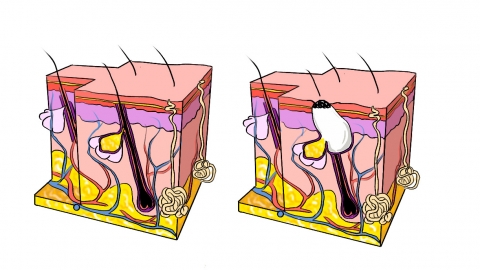
1. Unhealthy Lifestyle Habits
Frequently staying up late, experiencing excessive fatigue, or consuming a diet high in oil or spice may lead to a decline in immune function and weaken the skin's self-repair capabilities, ultimately resulting in enlarged pores. This may be accompanied by symptoms such as dull skin and increased acne. It is recommended to adjust sleep schedules, ensure adequate rest, maintain a balanced diet, avoid excessive sun exposure, and reduce the intake of oily and spicy foods.
2. Genetic Factors
Some individuals naturally have larger pores, which may be related to genetic inheritance. Pore enlargement caused by genetic factors typically manifests as a persistent skin characteristic without accompanying symptoms. For genetically caused enlarged pores, cosmetic procedures such as photorejuvenation or fractional laser treatments can be used to improve the condition. These treatments stimulate collagen regeneration, thereby reducing pore size.
3. Excessive Sebum Production
Individuals with oily skin tend to produce excess sebum, which easily attracts dust and pollutants from the air, forming blackheads and whiteheads. Long-term accumulation can stretch the pores, making them appear larger. This may be accompanied by symptoms such as oiliness in the T-zone and increased acne susceptibility. It is recommended to use facial cleansers with effective oil-control properties, thoroughly cleanse the face morning and night, and avoid using overly oily skincare products.
4. Ultraviolet Radiation
Prolonged exposure to ultraviolet rays can accelerate skin aging by damaging collagen and elastic fibers, causing the skin to lose elasticity and firmness, resulting in enlarged pores. Additionally, UV radiation stimulates melanin production, darkening the skin tone around the pores and further accentuating their appearance. Symptoms may include sunburn, pigmentation spots, and dry skin. It is recommended to use sunscreen daily and wear protective gear such as hats and sunglasses to minimize direct UV exposure.
5. Acne
During the inflammatory process of acne, white blood cells and the immune system release numerous inflammatory mediators that can damage tissue around the pores, leading to pore enlargement. Moreover, scars left after acne heals can affect skin smoothness, making pores appear more noticeable. This may be accompanied by symptoms such as redness, pain, and pustules. It is recommended to use medications such as adapalene gel, benzoyl peroxide gel, or isotretinoin capsules as directed by a physician to control acne inflammation. Additionally, appropriate skin repair and scar management can help improve the appearance of enlarged pores.
When treating enlarged facial pores, it is important to choose appropriate treatment methods based on individual conditions, while maintaining healthy lifestyle habits and a positive mindset.


