


What should I do if my face turns red and hurts after spraying cleanser? What causes this, and how to handle it?
Dec 01, 2025
Source: Cainiu Health

Dr. Liu Wenmin
Introduction
In general, redness and pain on the face after spraying a cleanser may be caused by direct irritation from chemical ingredients, naturally fragile skin barrier, contact dermatitis, irritant eczema, or secondary bacterial infection. It is recommended to seek medical attention promptly, identify the underlying cause, and then improve the condition through general measures and medication under a doctor's guidance. Maintain a light diet in daily life and consume more fruits and vegetables rich in vitamin C.
Generally, redness and pain on the face after spraying a cleanser may be caused by direct chemical irritation, naturally fragile skin barrier, contact dermatitis, irritant eczema, or secondary bacterial infection. It is recommended to seek medical attention promptly, identify the underlying cause, and then improve the condition under a doctor's guidance through general care, medication, and other treatments. Specific analyses are as follows:
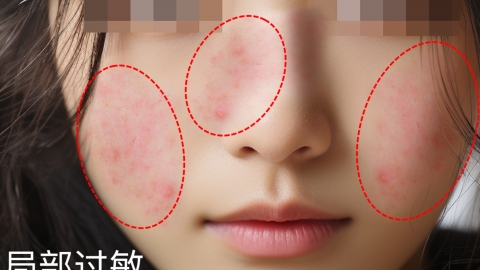
1. Direct chemical irritation: Cleansers contain ingredients such as surfactants and preservatives that can directly disrupt the stratum corneum upon contact with facial skin, leading to redness and pain. Immediately rinse the face thoroughly with large amounts of running water for 15–20 minutes, taking care to avoid eyes, mouth, and nose. Gently pat the skin dry with a clean towel afterward.
2. Naturally fragile skin barrier: Individuals with a thin stratum corneum and superficial capillaries are more prone to irritation, as cleanser components can easily penetrate the skin, causing redness and discomfort. Daily use of fragrance-free, alcohol-free gentle skincare products is advised. Wash the face with lukewarm water around 37°C.
3. Contact dermatitis: An allergic reaction to specific ingredients in the cleanser triggers an immune response, resulting in inflammation accompanied by itching or rash. Follow medical advice to use medications such as loratadine tablets, calamine lotion, or desonide cream. Discontinue use of the cleanser completely and avoid products containing similar ingredients.
4. Irritant eczema: Repeated exposure to the cleanser or prolonged contact may worsen skin inflammation and lead to eczema, with small blisters possibly forming in red, swollen areas. Under medical guidance, apply medications such as hydrocortisone butyrate cream, mometasone furoate cream, or vitamin E cream. Avoid scratching to prevent blister rupture.
5. Secondary bacterial infection: Bacteria may invade broken, inflamed skin, leading to infection with increased pain, possible exudation, or crusting. Follow medical instructions to use topical or oral medications such as mupirocin ointment, fusidic acid cream, or cefaclor capsules. Keep the face clean and dry, avoiding water contact and touching the affected area.
Maintain a light diet, consume more fruits and vegetables rich in vitamin C, and avoid spicy or irritating foods. When outdoors, practice strict sun protection by wearing wide-brimmed hats or using umbrellas to reduce UV exposure and further irritation of damaged skin. With proper care and treatment, facial skin can recover and return to health.



