


Can I drink water before a glucose tolerance test?
Feb 26, 2025
Source: Cainiu Health

Dr. Tian Hongbo
Introduction
The glucose tolerance test, also known as the oral glucose tolerance test (OGTT), is generally performed after drinking water in usual circumstances. However, water intake should be moderate and follow any specific instructions provided by the physician. Three days before undergoing the OGTT, individuals should maintain a normal diet without deliberately restricting food intake or overeating. At the same time, it is important to ensure sufficient carbohydrate intake daily to avoid false-positive results.
The glucose tolerance test, also known as the oral glucose tolerance test (OGTT), is generally performed after drinking water in moderation, although specific instructions should follow the doctor's advice. The detailed explanation is as follows:
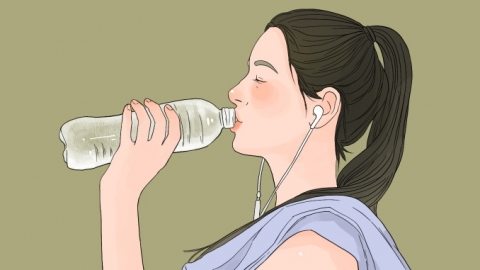
The oral glucose tolerance test is primarily used to diagnose diabetes. Prior to the glucose tolerance test, an 8- to 12-hour fast is required to ensure that blood glucose levels accurately reflect the body's ability to metabolize glucose. During this time, consumption of any food or beverages containing sugar is not recommended, as this may affect test results. Drinking a moderate amount of water before the test is acceptable, as it helps maintain hydration and alleviate thirst. Moreover, since plain water contains no calories, moderate water intake typically does not significantly affect blood glucose measurements.
Although drinking water is allowed, excessive water consumption should be avoided. Drinking too much water may cause gastrointestinal discomfort and potentially increase total blood volume, thereby relatively lowering glucose concentration and affecting the accuracy of test results.
Three days before undergoing the glucose tolerance test, individuals should maintain their usual diet without deliberately restricting food intake or overeating. Additionally, sufficient carbohydrate intake should be ensured each day to prevent false-positive results.







