


How much water can a glaucoma patient drink in a day?
Nov 19, 2025
Source: Cainiu Health

Dr. Wang Lei
Introduction
In general, the daily water intake for glaucoma patients should be determined according to their clinical condition. Patients with stable disease and controlled intraocular pressure can maintain normal hydration but should drink in divided amounts. Those experiencing acute episodes or elevated intraocular pressure should moderately restrict their fluid intake. It is helpful to use a fixed-size cup and develop the habit of drinking water in small, frequent portions. A light, low-salt diet is recommended to reduce fluid and sodium retention in the body.
Under normal circumstances, the daily water intake for glaucoma patients should be determined according to their specific condition. Patients with stable disease and well-controlled intraocular pressure (IOP) can maintain regular hydration but should drink in portions; those experiencing acute episodes or elevated IOP should moderately restrict their fluid intake. Detailed recommendations are as follows:
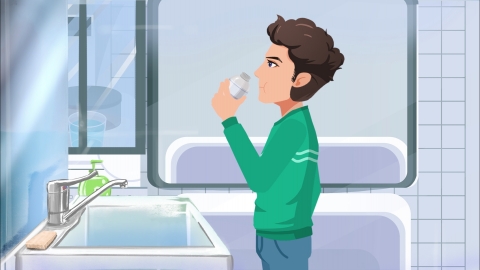
If glaucoma is in a stable phase, with long-term IOP maintained within a safe range and no significant discomfort, daily water intake can be similar to that of healthy individuals—approximately 1,500–2,000 milliliters. However, drinking large amounts of water at once should be avoided. Instead, fluids should be consumed in multiple sessions, no more than 200 milliliters per time, to prevent a sudden increase in blood volume that could lead to excessive aqueous humor production and a transient rise in IOP.
If glaucoma is in an acute phase or if IOP is poorly controlled and highly variable, daily water intake should be moderately reduced to 1,000–1,500 milliliters. Additionally, avoid strong tea, coffee, and other diuretic beverages. Although these drinks promote short-term fluid excretion, they may indirectly affect IOP stability and can irritate the body when consumed on an empty stomach.
In daily life, use a designated water cup to help establish the habit of drinking in small, frequent amounts. Maintain a light, low-salt diet to reduce fluid and sodium retention, and avoid drinking large amounts of fluid before bedtime. Regularly monitor IOP and adjust your drinking habits accordingly based on changes in eye pressure.


