


Can prenatal checkups detect the effects of eczema?
Mar 03, 2025
Source: Cainiu Health

Dr. Liu Wenmin
Introduction
Under normal circumstances, prenatal examinations can to some extent identify the potential effects of eczema on pregnant women and the fetus, but they may not fully diagnose eczema. It is recommended that pregnant women promptly visit a hospital for examination and follow medical advice for treatment. Pregnant women should ensure adequate sleep and rest, avoiding excessive fatigue. Regarding diet, it should be light and avoid foods that may cause allergies.
Generally, prenatal examinations can to some extent identify the potential effects of eczema on both the pregnant woman and the fetus, but they may not fully diagnose eczema. It is recommended that pregnant women promptly visit a hospital for examination and receive treatment according to medical advice. The analysis is as follows:
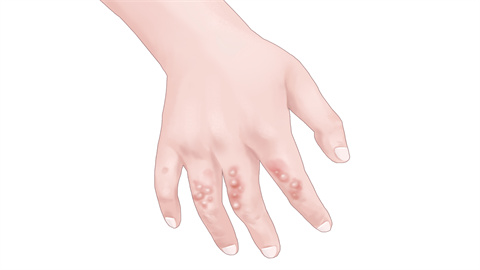
Eczema, as a skin inflammation, may have various effects on the health status of the pregnant woman and the development of the fetus, some of which may be reflected or assessed during prenatal checkups. Skin itching during pregnancy is a common symptom of eczema. During prenatal examinations, doctors will ask about the symptoms and perform appropriate skin examinations to assess the severity of eczema and its impact on the pregnant woman's quality of life.
Although prenatal examinations can identify to some extent the potential effects of eczema on pregnant women and the fetus, there are also certain limitations. For example, prenatal exams may not directly detect the pathological changes of eczema, but can only indirectly assess its impact through symptom presentation and related examinations.
Pregnant women should ensure adequate sleep and rest, and avoid excessive fatigue; diet should be light, avoiding foods that may cause allergic reactions; maintain clean and moisturized skin, and avoid excessive scratching and other irritating factors. If necessary, appropriate medications should be used under a doctor's guidance to reduce the adverse effects of eczema on the pregnant woman and the fetus.


