


Can you eat soursop if it's not ripe?
Mar 03, 2025
Source: Cainiu Health

Dr. Yu Yongchao
Introduction
An unripe atemoya fruit has a hard texture, tastes astringent, and has very low sweetness. It lacks the sweet, soft, and creamy flavor characteristic of ripe atemoya, resulting in a poor eating experience. Unripe atemoya fruits contain higher levels of tannins and cellulose, which make the flesh tough and difficult for the human digestive system to fully break down and digest. Consuming large amounts may cause stomach discomfort, bloating, or pain.
Generally, it is not recommended to eat unripe atemoya fruit. The specific analysis is as follows:
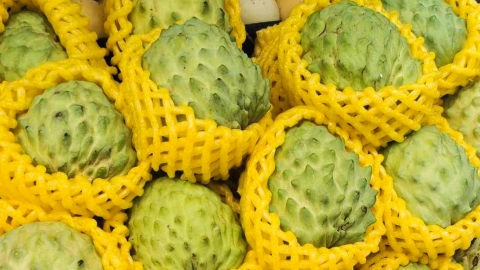
Unripe atemoya fruit has a hard and astringent texture with very low sweetness, lacking the sweet, soft, and creamy taste characteristic of ripe atemoya. The eating experience is unpleasant. Unripe atemoya contains higher levels of tannins and cellulose, which make the flesh tough and difficult for the human digestive system to break down and digest fully. Consuming large amounts may lead to stomach bloating, stomach pain, indigestion, and other issues.
Unripe atemoya fruit also contains relatively higher levels of allergenic substances. Consumption may more easily trigger allergic reactions such as skin itching, redness, rashes, or oral mucosa itching and swelling. In severe cases, symptoms like abdominal pain, diarrhea, and difficulty breathing might occur. Individuals who are prone to allergies should be especially cautious.
To ensure optimal taste, nutritional value, and to avoid health risks, it is recommended to consume atemoya fruit only when fully ripe. Ripe atemoya has a sweet, juicy, and soft texture and is rich in nutrients such as cellulose, vitamin C, fructose, calcium, and iron, which are beneficial to human health.



