


Can a routine blood test detect AIDS?
Mar 03, 2025
Source: Cainiu Health

Dr. Liu Feng
Introduction
A routine blood test cannot directly detect HIV/AIDS. It is important to avoid unsafe sexual practices in daily life; the correct use of condoms can help prevent the spread of HIV/AIDS. At the same time, one should avoid unnecessary injections, blood transfusions, and the use of blood products. In medical procedures, ensure that medical instruments are strictly sterilized, and do not share needles, toothbrushes, razors, or other items that may cause blood contact with others.
Generally, routine blood tests cannot directly detect HIV. The detailed explanation is as follows:
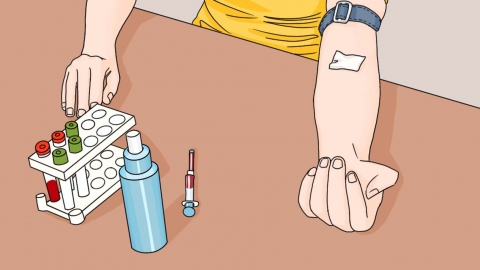
Routine blood tests usually include items such as a complete blood count, liver and kidney function tests, and measurements of blood lipid and glucose levels. These tests primarily assess general health status and detect common issues such as anemia or abnormal liver and kidney function, but they do not include testing for the human immunodeficiency virus (HIV) or its antibodies or antigens.
Diagnosis of HIV infection requires specific HIV testing, such as HIV antibody testing, antigen testing, or nucleic acid testing. HIV antibody testing is the most commonly used method. After infection with HIV, the immune system produces corresponding antibodies, and detecting these antibodies in the blood can determine whether an individual has been infected with HIV. Antigen testing and nucleic acid testing can detect infection at an earlier stage but are generally not used as routine screening methods.
In daily life, individuals should avoid unsafe sexual practices, and correct use of condoms can help prevent the transmission of HIV. Additionally, unnecessary injections, blood transfusions, and use of blood products should be avoided. In medical procedures, it is important to ensure that medical instruments are strictly sterilized, and individuals should not share needles, toothbrushes, razors, or other items that may lead to blood contact with others.








