


What is the difference between bacterial infections and viral infections?
Dec 01, 2025
Source: Cainiu Health

Dr. Liu Wenmin
Introduction
Bacterial and viral infections generally differ in terms of pathogens, symptom presentation, routine blood test indicators, treatment methods, and duration of illness. Bacteria are single-celled microorganisms with cell walls and the ability to survive independently; viruses lack cellular structure and consist of nucleic acid surrounded by a protein coat, requiring parasitism within living cells to survive and replicate.
Bacterial and viral infections generally differ in terms of pathogens, symptom presentation, blood test results, treatment methods, and duration of illness. The specific analysis is as follows:
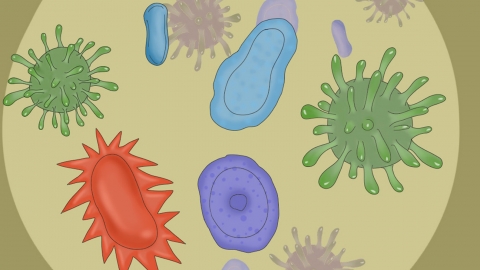
1. Pathogens: Bacteria are single-celled microorganisms with cell walls and the ability to survive independently; viruses lack cellular structure and consist of nucleic acid surrounded by a protein coat, requiring host living cells for survival and replication. This is the fundamental difference between the two.
2. Symptom Presentation: Bacterial infections often cause severe symptoms, with obvious local signs such as redness, swelling, heat, and pain, and may also be accompanied by systemic symptoms like high fever and chills. Viral infections present more variably, possibly including rash, cough, diarrhea, and other symptoms besides fever, with systemic manifestations sometimes less pronounced than in bacterial infections.
3. Blood Test Indicators: In bacterial infections, white blood cell count is often elevated with an increased proportion of neutrophils; in viral infections, white blood cell count may be normal or decreased, while the proportion of lymphocytes tends to rise relatively.
4. Treatment Methods: Bacterial infections are primarily treated with antibiotics that inhibit or kill bacteria to control the disease; viral infections are generally managed with antiviral medications, although some viral infections are self-limiting and mainly require symptomatic treatment.
5. Duration of Illness: Bacterial infections usually have a relatively shorter course and can resolve quickly with timely treatment; viral infections vary in duration, with some lasting longer and requiring a more extended recovery period.
When experiencing symptoms suggestive of infection, do not attempt self-diagnosis or self-medication. Seek medical attention promptly to determine the type of infection through professional evaluation, and follow medical advice for proper treatment.







