


Can an electroencephalogram (EEG) detect mania?
Mar 04, 2025
Source: Cainiu Health

Dr. Zhang Baohua
Introduction
Under normal circumstances, electroencephalography (EEG) can assist in detecting abnormal electrical discharges associated with disorders related to mania. Mania, or manic episodes, represents one manifestation of mood disorders. In diseases associated with mania, such as epilepsy, abnormal and excessively synchronized discharges occur among neurons in the brain. EEG can detect these abnormal waveforms, thereby identifying mania-related disorders.
Generally, electroencephalogram (EEG) can assist in detecting abnormal electrical discharges associated with manic episodes. Detailed analysis is as follows:
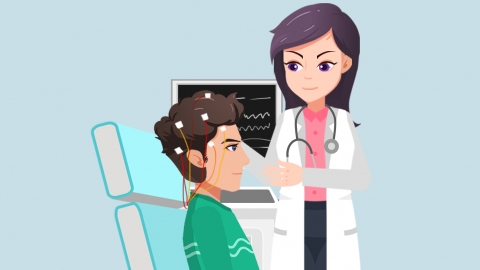
Mania, or manic episodes, represents one manifestation of mood disorders. EEG evaluates brain function by recording the electrical activity of brain neurons. In diseases associated with mania, such as epilepsy, brain neurons may exhibit abnormal, excessively synchronized discharges. These abnormal discharges appear on EEG as typical epileptiform activities, such as sharp waves, spike waves, and spike-and-slow-wave complexes. Therefore, EEG can detect these abnormal waveforms and help identify manic-related disorders.
Moreover, when manic states are accompanied by altered consciousness, delirium, or other neurological symptoms, EEG may show increased non-specific slow wave activity, which may indicate dysfunction of the brain. However, these findings are not unique to mania and can also be seen in various other neurological conditions.
If mental illness is present, patients should seek treatment under the guidance of a physician, following the principle of individualized treatment, incorporating various approaches such as medication and psychotherapy.


