


Omeprazole can prevent which ulcers?
Mar 05, 2025
Source: Cainiu Health

Dr. Shen Yonghua
Introduction
Omeprazole is a proton pump inhibitor available in various dosage forms such as tablets and capsules. In general, omeprazole can prevent ulcers including gastric ulcers, duodenal ulcers, stress ulcers, drug-induced ulcers, and combined ulcers. During treatment, patients are advised to maintain good dietary habits and avoid smoking and alcohol consumption, which can help improve treatment outcomes and prevent the occurrence of ulcers.
Omeprazole is a proton pump inhibitor available in various dosage forms such as tablets and capsules. Generally, omeprazole can prevent ulcers including gastric ulcers, duodenal ulcers, stress ulcers, drug-induced ulcers, and combined ulcers. Detailed explanations are as follows:
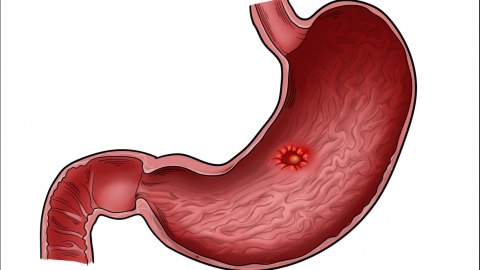
1. Gastric Ulcer
The formation of gastric ulcers is related to factors such as excessive gastric acid secretion and Helicobacter pylori infection. Omeprazole can inhibit gastric acid secretion, reduce the corrosive effect of gastric acid on the gastric mucosa, and promote the repair and healing of the gastric mucosa, thereby preventing the occurrence of gastric ulcers.
2. Duodenal Ulcer
Excessive gastric acid secretion is the main cause of duodenal ulcers. Omeprazole is also suitable for the prevention of duodenal ulcers. By inhibiting gastric acid secretion, it reduces damage to the gastric mucosa and promotes mucosal repair of ulcers.
3. Stress Ulcer
In stressful conditions such as severe trauma, major surgery, or severe infection, the body may experience increased gastric acid secretion, thereby increasing the risk of ulcers. Omeprazole can prevent the occurrence of stress ulcers by inhibiting gastric acid secretion.
4. Drug-induced Ulcer
Long-term use of nonsteroidal anti-inflammatory drugs (NSAIDs), glucocorticoids, and other medications may damage the gastric mucosa and lead to ulcer formation. Omeprazole can reduce gastric acid secretion and lower the risk of gastrointestinal damage caused by NSAIDs.
5. Combined Ulcer
Combined ulcers refer to the simultaneous presence of gastric ulcers and duodenal ulcers. Through its acid-suppressing effect, omeprazole can not only reduce damage to the gastric mucosa from gastric acid but also lower gastric acid concentration in the duodenum. It has preventive and therapeutic effects on both sites of combined ulcers, alleviating symptoms, promoting ulcer healing, and reducing recurrence rates.
During treatment, patients are advised to maintain good eating habits and avoid smoking and alcohol consumption, which can help improve treatment outcomes and prevent ulcer occurrence.






