


Are oral ulcers in AIDS contagious?
Dec 02, 2025
Source: Cainiu Health

Dr. Liu Wenmin
Introduction
Whether oral ulcers in AIDS patients are contagious depends on whether there is blood exposure. Typically, ulcers without bleeding are not contagious. However, if the ulcer is bleeding and the patient has a high viral load, transmission may occur if healthy individuals come into contact with infected blood; therefore, targeted protective measures are necessary. Daily care includes maintaining oral hygiene, using a soft-bristled toothbrush, and avoiding spicy foods that may irritate the ulcers. Patients should undergo standardized treatment to control their viral load.
HIV-related oral ulcers may be contagious depending on whether there is exposure to blood. When ulcers are not bleeding, they are typically non-contagious. However, if the ulcer is bleeding and the patient has a high viral load, transmission could occur when healthy individuals come into contact with infected blood; specific protective measures are therefore necessary.
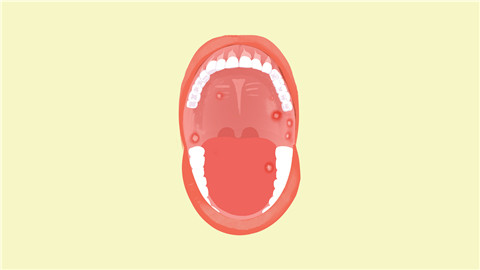
When oral ulcers are intact and not bleeding, the amount of virus in saliva is extremely low. Moreover, components in saliva such as lysozyme can suppress viral activity. Daily activities like sharing meals or brief conversations—even if involving contact with a patient’s saliva—do not pose a significant infection risk due to insufficient viral quantity and reduced viral viability. Hence, excessive anxiety is unnecessary.
If ulcers are accompanied by bleeding, the blood may carry a high concentration of the virus. In such cases, if a healthy person has an open wound or mucosal break in the mouth and directly contacts the bleeding ulcer site of the patient, or shares contaminated toothbrushes or eating utensils, the virus may enter the body through the damaged mucosa and cause infection. This type of transmission is essentially via blood, not due to the ulcer itself.
To reduce risks, maintain good oral hygiene, use soft-bristled toothbrushes, and avoid spicy foods that might irritate ulcers. Patients should undergo standardized treatment to control their viral load and refrain from sharing oral care items. Healthy individuals should avoid direct contact with the patient’s wound exudates, which can effectively lower transmission risk.




