


Is AIDS a terminal illness?
Mar 06, 2025
Source: Cainiu Health

Dr. Bai Hongmei
Introduction
Under normal circumstances, although AIDS cannot be completely cured, it is no longer an absolute incurable disease. In daily life, one should avoid unsafe sexual behaviors, and the correct use of condoms can help prevent the sexual transmission of AIDS. Avoid unnecessary injections, blood transfusions, and the use of blood products; if their use is necessary, ensure that they come from reliable sources and have undergone strict testing.
Generally speaking, although AIDS cannot yet be completely cured, it is no longer considered an absolute incurable disease. The detailed explanation is as follows:
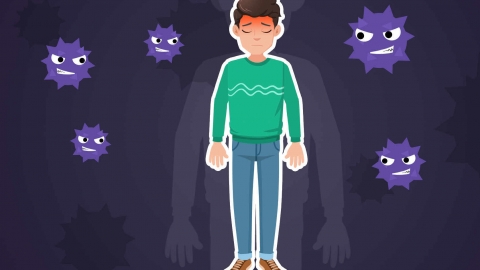
AIDS is a severe immunodeficiency disease caused by the human immunodeficiency virus (HIV), which attacks the human immune system, especially the CD4+ T lymphocytes, gradually impairing and even collapsing immune function, thus making the body susceptible to various serious infections, tumors, and other complications. In the past, due to limited medical capabilities, the mortality rate of AIDS patients was very high, almost being regarded as an incurable disease. However, with continuous medical advancements and the emergence of treatment methods such as highly active antiretroviral therapy (HAART), the treatment situation for AIDS has significantly improved. Through standardized antiviral treatment, viral replication can be effectively suppressed, and the patient's immune function can be rebuilt and restored, enabling long-term survival with markedly improved quality of life. Many patients can work and live as normal individuals.
In daily life, unsafe sexual behaviors should be avoided, and the correct use of condoms can help prevent the sexual transmission of AIDS. Unnecessary injections, blood transfusions, and the use of blood products should also be avoided. When their use is necessary, ensure the sources are reliable and have undergone rigorous testing.








