


What should I do if there is no medicine for a cold caused by wind and cold?
Dec 10, 2025
Source: Cainiu Health

Dr. Sun Lianqing
Introduction
When suffering from a cold due to wind and cold exposure and medication is unavailable, symptoms can be alleviated by drinking warm water frequently, staying warm, ensuring adequate rest, eating a light diet, and using physical remedies. If symptoms such as persistent high fever, difficulty breathing, or worsening conditions occur, seek medical attention promptly. Drinking warm water in small amounts but frequently helps rehydrate the body, promotes metabolism, aids in expelling internal cold, and relieves discomfort such as dry throat and nasal congestion.
When medication is unavailable for a cold caused by wind and cold, symptoms can be alleviated through drinking warm water regularly, staying warm, ensuring adequate rest, eating a light diet, and using physical remedies. If symptoms such as persistent high fever, difficulty breathing, or worsening conditions occur, seek medical attention promptly.
1. Drink warm water: Sip warm water in small amounts throughout the day. This helps rehydrate the body, promotes metabolism, assists in expelling internal cold, and relieves discomforts like dry throat and nasal congestion.
2. Stay warm: Add clothing promptly and use light blankets to avoid further exposure to wind or cold. Apply warm compresses to the forehead or neck as needed to ease bodily discomfort and reduce chills and headaches.
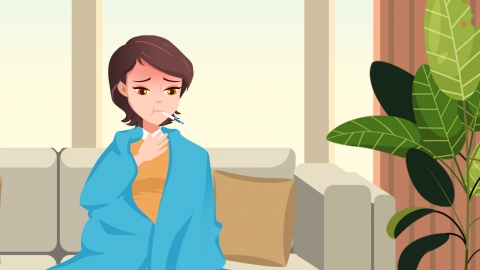
3. Ensure rest: Reduce physical activity and get sufficient sleep so the body can focus its energy on fighting pathogens. Avoid fatigue, which may lower immunity and worsen the illness.
4. Eat a light diet: Choose easily digestible foods such as millet porridge, soft noodles, and vegetable soup. Avoid spicy, greasy, raw, or cold foods to reduce gastrointestinal strain and provide nutritional support to aid recovery.
5. Use physical relief methods: For nasal congestion, gently massage the sides of the nostrils or apply a warm towel to the bridge of the nose to improve nasal airflow. For mild coughing, drink warm honey water to soothe the throat and reduce cough frequency.
Daily care should include maintaining good indoor ventilation, avoiding crowded places, and minimizing the risk of cross-infection. Monitor your health condition closely and adjust care strategies according to changes in body temperature and symptoms. Gentle调理 (regulation) can help the body gradually regain health.



