


Do skin symptoms of AIDS cause itching?
Mar 10, 2025
Source: Cainiu Health

Dr. Bai Hongmei
Introduction
Whether skin symptoms of AIDS are accompanied by itching mainly depends on the stage of disease progression and individual differences among patients. In the early stages of the disease, when the immune system has not yet been severely compromised and skin lesions are mild, itching may not occur. However, as the disease progresses and immune function gradually declines, involvement of the skin and mucous membranes may worsen, potentially leading to the occurrence of skin itching symptoms.
Generally, in the early stages of HIV infection, the immune system has not yet been severely compromised, so skin lesions are mild and itching is usually absent. However, as the disease progresses and immune function gradually declines, involvement of the skin and mucous membranes becomes more severe, potentially leading to pruritus (itching). If discomfort occurs, timely medical consultation is recommended. Detailed explanation is as follows:
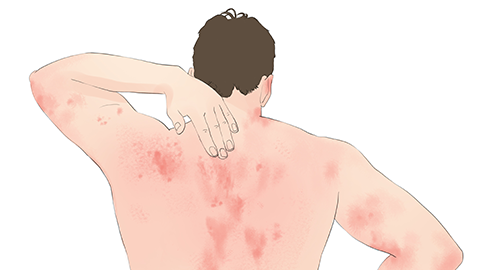
In the early phase of HIV progression, patients may develop red spots on the skin, possibly due to localized rash caused by the acute stage of the disease. These red spots typically do not itch and patients generally experience no symptoms. At this stage, although the HIV virus has begun attacking the human immune system, it has not yet triggered severe skin lesions or infections.
In the middle and late stages of HIV progression, as immune function declines, patients become susceptible to various opportunistic infections and tumors. The skin and mucous membranes are frequently affected, presenting with various types of skin and mucosal lesions such as rashes, genital warts, contact warts, urticaria, and others. These skin lesions may all cause itching. Particularly when HIV patients develop secondary fungal or viral infections, such as dermatophytosis (ringworm) or herpes zoster, these infections can also lead to skin itching.
It is important to maintain personal hygiene, shower regularly, keep the skin clean and dry, and reduce bacterial and viral proliferation. Additionally, avoid sharing personal items like towels and washcloths with others to reduce the risk of cross-infection.





