


What are the different functions of the esophagus and the trachea?
Mar 14, 2025
Source: Cainiu Health

Dr. Ren Yi
Introduction
Under normal circumstances, the esophagus and trachea perform different physiological functions in the human body. These functional differences arise from their distinct systems, primary functions, structural characteristics, sphincter functions, and disease involvement. Although the esophagus and trachea differ significantly in function, they are closely connected anatomically and jointly maintain the body's digestive and respiratory functions.
Under normal circumstances, the esophagus and trachea perform different physiological functions within the human body. These functional differences stem from distinctions in their respective systems, primary functions, structural characteristics, sphincter muscle actions, and impacts of diseases. A detailed analysis is as follows:
1. Different Systems
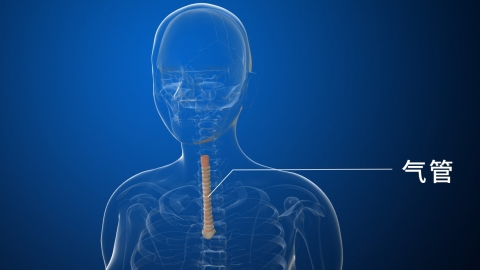
The esophagus is part of the digestive system, primarily responsible for transporting food from the mouth to the stomach. The trachea is a crucial component of the respiratory system, responsible for directing air to the lungs to sustain life processes.
2. Primary Functional Differences
The main function of the esophagus is to transport chewed food from the mouth to the stomach for digestion and absorption. The trachea is a tubular structure supported by cartilage rings that supplies oxygen to the body and expels carbon dioxide.
3. Structural Characteristics
The esophagus consists of muscles and mucous membrane; its wall is relatively soft and elastic, expanding during swallowing to accommodate food. The trachea is composed of cartilage, smooth muscle, and mucous membrane; its wall is firmer yet elastic, filtering air and protecting the lungs from pollutants.
4. Sphincter Muscle Function
Both ends of the esophagus contain sphincter muscles that prevent gastric acid and food from refluxing into the esophagus, thus protecting it from damage. The trachea lacks similar sphincter structures, but its inner walls contain smooth muscles that can adjust the airway diameter.
5. Impact of Diseases
Esophageal diseases, such as esophagitis and esophageal stricture, may cause symptoms like difficulty swallowing, hematemesis, and melena. Tracheal diseases, such as bronchitis and asthma, can impair respiratory function, leading to symptoms like dyspnea, coughing, and expectoration.
Although the esophagus and trachea differ significantly in function, they are anatomically closely connected and together maintain the body's digestive and respiratory functions. In daily life, it is important to maintain healthy lifestyle and dietary habits, avoid overeating, reduce intake of irritating foods, quit smoking, and avoid prolonged exposure to air-polluted environments in order to preserve the health of both the esophagus and trachea.
References:
[1] Shen Hong, Xu Feng, Hu Jingyi, et al. Exploration of the Historical Development of Traditional Chinese Medicine's Understanding of Esophageal Anatomy and Function [J]. Journal of Nanjing University of Chinese Medicine, 2024, 40(10): 1123-1128.
[2] Qin Nengwu, Liu Jinyuan, Zheng Tianzhong, et al. Applied Anatomical Study of the Posterior Tracheal Space [J]. Journal of Enshi Medical College, 1990, (02): 6-9.





