


Does endotracheal intubation reduce airway resistance?

Under normal circumstances, when airway obstruction leads to increased resistance, tracheal intubation can reduce this resistance. However, if the airway itself is patent and resistance elevation is due to intrapulmonary disease, resistance may be difficult to lower—or may even increase. If in doubt, it is recommended to seek medical advice early. Detailed analysis is as follows:
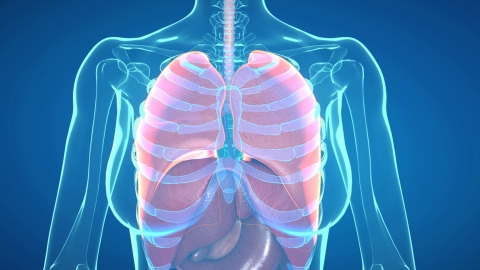
If upper airway obstruction (e.g., laryngeal edema, foreign body obstruction) or severe airway spasm exists, airflow becomes restricted and resistance increases. Tracheal intubation can directly establish an artificial airway, bypassing the obstructed segment or opening up the spasmodic airway, allowing smoother airflow. This effectively reduces airway resistance, improves ventilation, and alleviates hypoxia symptoms.
If the airway is inherently unobstructed and elevated resistance results from intrapulmonary pathology (e.g., severe pneumonia, pulmonary edema), tracheal intubation usually cannot reduce resistance and may even slightly increase it due to the inherent narrow lumen of the endotracheal tube. In such cases, treating the underlying lung disease (e.g., anti-infective therapy, managing pulmonary edema) is essential for fundamentally resolving resistance issues. The primary role of intubation here is to assist ventilation rather than directly reducing resistance.
Tracheal intubation must be performed by trained healthcare professionals; self-administration should be avoided. After intubation, airway pressure and ventilation status require close monitoring, with timely parameter adjustments. Prioritizing treatment of the underlying disease during management is crucial for effectively improving airway resistance.


