


Can Patients with Depression After Divorce Get Better?
Mar 17, 2025
Source: Cainiu Health

Dr. Zhang Baohua
Introduction
In general, whether a person with depression can recover after divorce mainly depends on the severity of the condition and the timeliness of treatment. If the depression is mild and timely intervention is provided, the prognosis is usually favorable. However, if the condition is severe or treatment is delayed, the likelihood of full recovery is relatively lower. Patients with depression can also cultivate personal interests, participate in social activities, and maintain a regular daily routine.
Generally, whether a person can recover from depression after divorce mainly depends on the severity of the condition and the timeliness of treatment. If the condition is mild and timely intervention is provided, recovery is usually possible. However, if the depression is severe or treatment is delayed, the likelihood of full recovery is relatively lower. A detailed analysis is as follows:
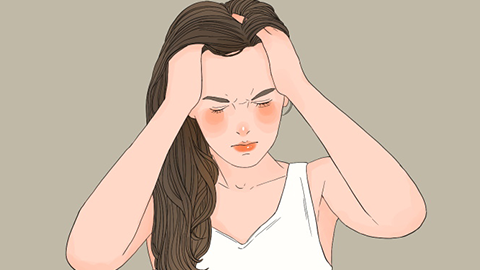
If the depression symptoms are mild following divorce, and the individual is only temporarily experiencing low mood and negative thinking, and can promptly seek professional help when symptoms appear, such as psychological counseling, or follow medical advice to take medications like maprotiline hydrochloride tablets, clomipramine hydrochloride tablets, or paroxetine hydrochloride tablets, the chances of recovery are relatively high. Patients can usually gradually overcome the depression and return to a normal psychological state.
However, for individuals with more severe depression or those who do not receive timely treatment, recovery after divorce may be more difficult. These patients may already be experiencing serious emotional disturbances, cognitive decline, or even suicidal tendencies. In such cases, comprehensive treatment involving psychotherapy, physical therapy, and other approaches, in addition to medication, may be required. At the same time, both the patient and their family members need to put in more effort and provide support to help the patient develop a positive attitude toward life and effective coping mechanisms.
Depression patients can cultivate personal interests, participate in social activities, maintain a regular daily routine, and engage in other activities that can help alleviate depressive symptoms and improve quality of life.


