


What Are Depression Patients Most Afraid Of?
Aug 24, 2022
Source: Cainiu Health

Dr. Luo Qinghua
Introduction
Patients with depression are most fearful of psychological stress or feelings of being uncared for, both of which may exacerbate their condition. Depression is commonly triggered by social and environmental factors, but it may also arise from chronic physical illnesses. Symptoms may include low mood or diminished willpower, potentially leading to pessimistic thinking. Treatment requires oral administration of antidepressant medications under a physician’s guidance, combined with family-based therapeutic support.
Depression is a serious mental health disorder. It has multiple causes and significantly impacts daily life. In severe cases, it poses a threat to the patient’s life. So, what are individuals with depression most afraid of?
What Are Individuals with Depression Most Afraid Of?
People with depression are most fearful of psychological stressors—or, conversely, of being ignored or unsupported—as these factors may exacerbate their condition. Depression often arises from environmental or psychosocial influences, and may also be triggered by chronic physical illness. Symptoms may include persistent low mood, diminished motivation or willpower, and pervasive feelings of hopelessness. Treatment typically involves oral antidepressant medication prescribed and monitored by a physician, combined with family-based interventions; family members should maintain frequent, empathetic communication with the patient.
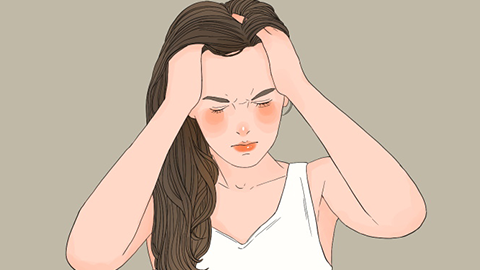
Depression is a common mood disorder with diverse etiologies. Its primary clinical feature is a marked and persistent depressed mood that is disproportionate to the individual’s circumstances. In severe cases, suicidal ideation or behavior may occur. Most patients experience recurrent episodes, with the majority achieving full remission after each episode—though some may exhibit residual symptoms or develop chronic depression. At least 10% of individuals diagnosed with depression will experience at least one manic episode, warranting a diagnosis of bipolar affective disorder.

In daily life, if depressive symptoms emerge, prompt medical evaluation and active collaboration with healthcare providers are essential. We hope this information proves helpful to you.



