


What causes redness and swelling of the anus in newborns?
Mar 17, 2025
Source: Cainiu Health

Dr. Zhou Xiaofeng
Introduction
Newborns frequently pass stool and urine. If the diaper is not changed promptly, bacteria in the urine and feces can break down and produce ammonia, which may irritate the skin around the anus, causing redness and swelling. The skin around the anus may appear reddened, and in severe cases, a rash may develop. It is important to change diapers frequently, keep the buttocks dry, clean the buttocks with warm water after each diaper change, and allow the area to air dry or gently pat dry with a soft towel.
Neonatal anal redness and swelling may be caused by delayed diaper changes, improper wiping techniques, diarrhea, perianal eczema, or perianal inflammation. Management depends on the specific situation. Parents should take the infant to the hospital as soon as possible for examination and diagnosis to determine the cause and appropriate treatment.
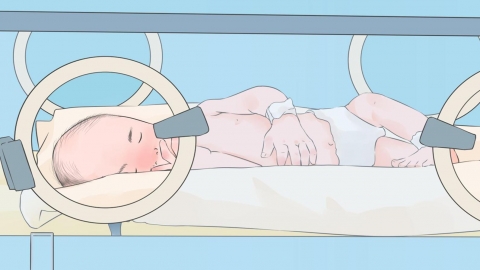
1. Delayed diaper changes: Newborns urinate and defecate frequently. If diapers are not changed promptly, ammonia produced by bacterial breakdown of urine and feces may irritate the perianal skin, causing redness and swelling. The skin around the anus may appear reddened, and rashes may develop in severe cases. Frequent diaper changes are necessary to keep the buttocks dry. After each diaper change, wash the buttocks with warm water and allow them to air dry or gently pat dry with a soft towel.
2. Improper wiping technique: If excessive force is used or rough-textured tissue is applied when wiping the newborn's anus, the delicate perianal skin may be injured, leading to redness and swelling. Mild skin damage and redness may be visible. Gently wipe with soft, non-irritating wet wipes or gauze, using a light touch and wiping from front to back to minimize trauma to the anal skin.
3. Diarrhea: Due to immature intestinal function, newborns are prone to diarrhea caused by infections or improper feeding. Frequent bowel movements may irritate the perianal skin, causing redness and swelling. Symptoms include increased frequency and altered consistency of stools, along with redness, swelling, and pain of the perianal skin. It is recommended to follow medical advice to use medications such as smectite powder, Bifidobacterium tetragenous viable tablets, and oral rehydration salts to alleviate symptoms.
4. Perianal eczema: Due to the sensitivity of a newborn's skin, perianal eczema may develop under the influence of moisture and friction, resulting in anal redness, swelling, itching, and the appearance of dense papules or vesicles. Patients may use medications such as calamine lotion, zinc oxide ointment, or desonide cream under medical guidance to relieve symptoms.
5. Perianal inflammation: Bacterial infection of the perianal tissues can cause inflammation, presenting as anal redness, swelling, and pain, possibly accompanied by systemic symptoms such as fever. Patients may use medications such as erythromycin ointment, mupirocin ointment, or cefixime granules under medical supervision for treatment.
References:
[1] Li Yuanbo. Study on anal-genital distance and its influencing factors in newborns [D]. Guangzhou Medical University, 2017.
[2] Cao Qingwei, Wang Qian, Ma Chuanyu, et al. Observation of the curative effect of wedge resection and drainage combined with compound huangbai liquid on 42 cases of neonatal perianal abscess. Chinese Journal of Coloproctology, 2023, 43(12): 31-33.





