


Why It Is Not Recommended to Eat Eggs with Soybean Milk
Mar 21, 2025
Source: Cainiu Health

Dr. Yu Yongchao
Introduction
Under normal circumstances, the reasons why it is not advisable to consume eggs with soy milk include impaired protein absorption, reduced nutritional value, the production of anti-nutritional factors, increased digestive burden, and altered taste and flavor. The ovalbumin in eggs can bind with trypsin in soy milk, forming a substance that is not easily absorbed by the human body, thereby decreasing protein absorption efficiency and resulting in nutritional waste.
Generally speaking, there are several reasons why eggs should not be consumed with soy milk, including impaired protein absorption, reduced nutritional value, the production of anti-nutritional factors, increased digestive burden, and altered taste and flavor. The specific details are as follows:
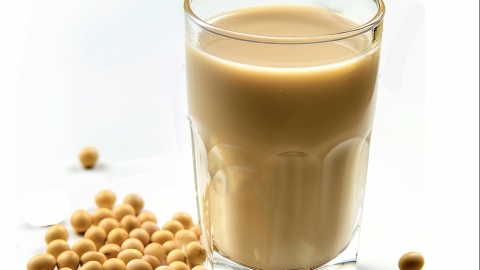
1. Impaired protein absorption: The ovalbumin in eggs can bind with trypsin in soy milk to form a substance that is not easily absorbed by the human body, thereby reducing the protein absorption rate and causing nutritional waste.
2. Reduced nutritional value: Soy milk contains abundant minerals, while eggs are high in phosphorus, zinc, and other elements. When consumed together, interactions between minerals may lead to the formation of insoluble complexes, affecting mineral absorption and reducing the nutritional value of the foods.
3. Production of anti-nutritional factors: Raw soy milk contains anti-nutritional factors. If soy milk is not fully cooked, these anti-nutritional factors can combine with proteins in eggs, further inhibiting digestion and absorption of proteins, and may cause adverse reactions such as nausea, vomiting, and diarrhea.
4. Increased digestive burden: Both eggs and soy milk are rich in protein. When consumed separately, the human body requires a certain amount of time and energy to digest and absorb them. Consuming them together increases the protein content in the gastrointestinal tract, leading to a higher digestive burden and potentially causing indigestion, bloating, or abdominal pain.
5. Altered taste and flavor: When eggs and soy milk are mixed, their original flavors and textures are altered. The aroma of soy milk and the distinct flavor of eggs may combine to create an unharmonious taste, negatively affecting the eating experience and causing discomfort.
Eggs and soy milk can still provide abundant nutrition when consumed in appropriate amounts and combined properly. To ensure food safety and health, it is recommended to choose fresh, uncontaminated eggs and soy milk and follow correct cooking methods.
References:
[1] Li Li. Scientific Analysis of Common Food Combinations [M]. Beijing: China Light Industry Press, 2021.
[2] Chinese Nutrition Society. Chinese Dietary Guidelines (2022) [M]. Beijing: People's Medical Publishing House, 2022.





