


What causes recurrent fever in children and what should be done?
Mar 21, 2025
Source: Cainiu Health

Dr. Zhou Xiaofeng
Introduction
Under normal circumstances, recurrent fever in children may be caused by underdeveloped thermoregulatory center, physiological stress response, common cold, pneumonia, systemic lupus erythematosus (SLE), and other reasons. General treatment and medication can be used to improve the condition. It is recommended to seek medical attention promptly and follow medical advice for treatment. During the treatment process, parents should closely monitor changes in the child's condition and follow medical instructions for treatment and care.
Generally, recurrent fever in children may be caused by underdeveloped thermoregulatory center, physiological stress response, common cold, pneumonia, systemic lupus erythematosus (SLE), and other factors. General treatments and medication may help alleviate the condition. Prompt medical consultation is recommended, and treatment should follow medical advice. Details are as follows:
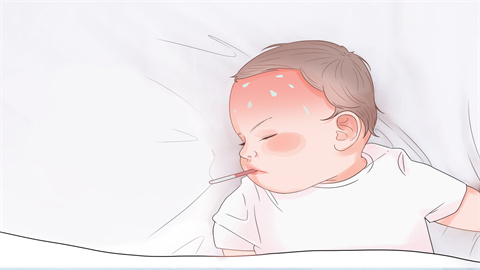
1. Underdeveloped Thermoregulatory Center: The thermoregulatory center in children is not fully developed, resulting in relatively weak temperature regulation. When stimulated by external environmental or internal factors, the thermoregulatory center may become dysfunctional, leading to recurrent fever. Parents should ensure good indoor ventilation, appropriately adjust room temperature, and avoid overdressing children to prevent impaired heat dissipation.
2. Physiological Stress Response: In situations such as intense physical activity, emotional stress, or fright, children may experience a physiological stress response. This response can lead to the production of endogenous pyrogens, causing fever. Parents should help the child stay calm, remove excess clothing to aid heat dissipation, and encourage increased water intake to help lower body temperature.
3. Common Cold: The common cold is primarily caused by viral or bacterial infections. These pathogens invade the child's body and stimulate the immune system, triggering an inflammatory response that causes fever. The child may also experience coughing. Medications such as Chuanbei枇杷 syrup, pediatric antipyretic granules, or ribavirin granules may be used under medical guidance to relieve cough, reduce fever, and treat viral infection.
4. Pneumonia: Pneumonia is mainly caused by bacterial, viral, or mycoplasma infections. These pathogens invade the lungs, causing inflammation and resulting in symptoms such as fever, cough, and sputum production. Treatment should follow medical advice and may include anti-inflammatory medications such as amoxicillin granules, cephalexin granules, or roxithromycin granules.
5. Systemic Lupus Erythematosus (SLE): SLE is an autoimmune disease caused by the immune system mistakenly attacking the body's own tissues. Its pathogenesis is complex and may involve genetic and environmental factors. It may cause recurrent fever in children and may be accompanied by rashes. Treatment should follow medical guidance and may include medications such as clobetasol propionate cream, danazol capsules, or methylprednisolone tablets for anti-inflammatory effects.
During treatment, parents should closely monitor changes in the child's condition and follow medical advice for treatment and care.
References:
[1] Shen Xiaoming, Wang Weiping. Pediatrics [M]. 9th Edition. Beijing: People's Medical Publishing House, 2018.
[2] Xu Feng, Feng Zhihun. Pediatric Emergency Medicine [M]. 4th Edition. Beijing: People's Medical Publishing House, 2021.





