


Can Sichuan Fritillary Bulb, Lily Bulb, and Mulberry Fruit treat dry cough?
Apr 02, 2025
Source: Cainiu Health

Dr. Zhang Xiuhong
Introduction
Under normal circumstances, Sichuan Fritillary Bulb (Chuan Bei), Lily Bulb (Bai He), and Mulberry Fruit (Sang Shen) may help alleviate symptoms of dry cough to some extent. These herbs all have the effect of nourishing yin and moistening dryness. If dry cough is caused by lung dryness due to yin deficiency, presenting symptoms such as dry and itchy throat, minimal and viscous phlegm, and severe cough at night, these herbs may improve symptoms by nourishing lung yin and relieving airway dryness. However, they should be used under the guidance of a qualified Traditional Chinese Medicine (TCM) practitioner.
Generally speaking, Sichuan Fritillary Bulb (Chuan Bei), Lily Bulb (Bai He), and Mulberry (Sang Shen) can help relieve dry cough symptoms to some extent. A detailed explanation is as follows:
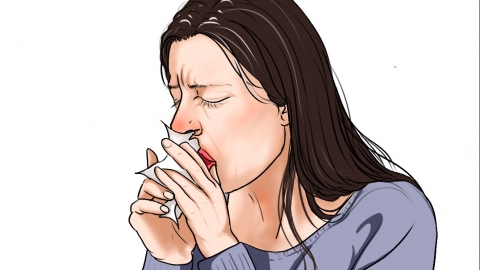
Sichuan Fritillary Bulb, Lily Bulb, and Mulberry all have the effect of nourishing yin and moistening dryness. If a dry cough is caused by lung dryness due to yin deficiency, presenting symptoms such as dry and itchy throat, minimal sticky phlegm, and worsening cough at night, these herbs can improve symptoms by nourishing lung yin and relieving airway dryness. Sichuan Fritillary Bulb also has the function of resolving phlegm and relieving cough, making it more suitable for dry cough accompanied by small amounts of sticky phlegm. However, Sichuan Fritillary Bulb is relatively cold in nature and thus unsuitable for individuals with a cold and deficient constitution. Pregnant women should also use it cautiously.
If the dry cough is severe or lasts for a prolonged period, especially when accompanied by symptoms such as fever, chest pain, or difficulty breathing, treatment should not rely solely on Sichuan Fritillary Bulb, Lily Bulb, or Mulberry. Prompt medical attention is necessary to rule out more serious conditions such as pneumonia, bronchitis, or asthma. Before using these herbal medicines, it is important to follow the guidance of a qualified TCM practitioner to avoid self-medicating, ensuring both efficacy and safety.
In daily diet, it is advisable to consume more lung-moistening foods such as pears, lily bulbs, and white fungus (silver ear), while avoiding spicy, greasy, and irritating foods, which can help alleviate dry cough symptoms.



