


Can safflower be steeped in water for drinking?
Apr 23, 2025
Source: Cainiu Health

Dr. Zhang Xiuhong
Introduction
Safflower can be consumed as an infusion, but it should be taken in moderation and in accordance with relevant contraindications. Safflower has significant blood-activating and stasis-resolving properties, effectively promoting blood circulation, improving blood viscosity, and alleviating symptoms such as menstrual irregularities, dysmenorrhea, and postpartum blood stasis caused by poor circulation of qi and blood. The active components in safflower, such as its yellow pigments, can effectively regulate blood pressure and benefit cardiovascular health.
Under normal circumstances, safflower can be consumed as an infusion, but it should be taken in moderation and relevant contraindications must be observed. Detailed analysis is as follows:
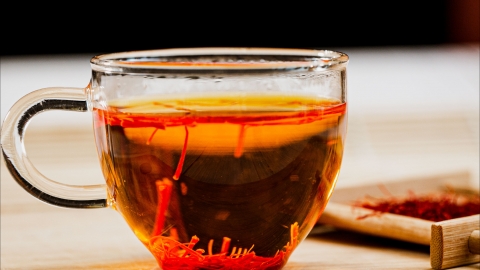
Safflower has significant blood-activating and stasis-resolving properties, promoting blood circulation, improving blood viscosity, and effectively alleviating conditions such as irregular menstruation, dysmenorrhea, and postpartum blood stasis caused by poor circulation of qi and blood. Active components in safflower, such as yellow pigments, can effectively regulate blood pressure and benefit cardiovascular health. Safflower contains abundant antioxidant substances, such as flavonoids and polyphenols, which have anti-inflammatory effects. These components can alleviate pain and discomfort caused by inflammation and provide certain auxiliary therapeutic benefits for inflammatory diseases like arthritis and muscle pain.
The antioxidant components in safflower help combat free radicals, delay cellular aging, inhibit melanin production, reduce the formation of pigmentation spots, promote smooth and delicate skin, and maintain a healthy skin complexion. However, it is important to note that safflower has strong blood-activating properties, and excessive consumption may lead to adverse reactions such as bleeding. Due to its blood-activating effects, safflower may increase the risk of miscarriage, so it should be strictly avoided by pregnant women. Safflower may exacerbate bleeding symptoms, thus it is not recommended for individuals experiencing heavy menstrual flow.
If you are currently taking other medications, particularly anticoagulant drugs or sedatives, consuming safflower tea may cause interactions that affect drug efficacy. During medication, consult your physician first before deciding whether to consume safflower tea.






