What are the causes and treatment methods for hair loss in women?
Apr 24, 2025
Source: Cainiu Health

Dr. Zhang Lu
Introduction
In general, hair loss in women may be caused by factors such as postpartum hair loss, aging, seborrheic dermatitis, hypothyroidism, and polycystic ovary syndrome. In daily life, frequent perming and hair dyeing should be avoided to reduce hair damage; meanwhile, work and life should be reasonably arranged to avoid prolonged mental stress. Suitable shampoo and hair care products should be selected, and hair should be cared for according to its type.
Generally, hair loss in women may be caused by postpartum hair loss, aging, seborrheic dermatitis, hypothyroidism, polycystic ovary syndrome (PCOS), and other factors. It is recommended to seek timely medical consultation and, under a doctor's guidance, undergo general treatments, medication therapies, and other appropriate interventions. A detailed explanation is as follows:
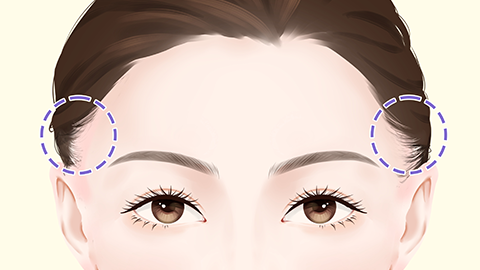
1. Postpartum Hair Loss
After childbirth, estrogen levels in a woman's body drop sharply. A large number of hairs that were originally in the resting phase enter the shedding phase, resulting in noticeable hair loss. This is a normal physiological adjustment process of the body. During pregnancy and after childbirth, it is important to maintain a balanced diet, consume adequate protein, vitamins, and minerals, maintain a positive mood, and avoid excessive mental stress.
2. Aging
With increasing age, follicular function gradually declines, reducing the ability to absorb nutrients. The hair growth cycle shortens, new hair growth decreases, and hair loss increases. Scalp massage can help improve blood circulation, and appropriate vitamin supplementation may delay follicular aging.
3. Seborrheic Dermatitis
This condition is often caused by overactive sebaceous glands or Malassezia infection. Excessive oil secretion blocks hair follicles, impairing their ability to absorb nutrients, which leads to hair loss. It may also be accompanied by symptoms such as oily scalp, itching, and red patches. Treatment may involve the use of ketoconazole shampoo, selenium sulfide shampoo, and oral administration of vitamin B6 tablets, under a doctor's guidance.
4. Hypothyroidism
Hypothyroidism is usually caused by abnormal immune system attacks on the thyroid gland or insufficient iodine intake. Decreased thyroid hormone secretion slows down body metabolism, affecting normal follicular cell metabolism and growth, leading to hair loss. Symptoms may also include cold intolerance, fatigue, and excessive sleepiness. Treatment typically involves taking medications such as levothyroxine sodium tablets, thyroid extract tablets, or human thyroid-stimulating hormone injections, as recommended by a doctor, to supplement thyroid hormones and restore normal metabolism.
5. Polycystic Ovary Syndrome (PCOS)
PCOS is often caused by endocrine and metabolic abnormalities. Elevated androgen levels cause hair follicles to miniaturize, making hair gradually finer and softer until it falls out. It may also be accompanied by irregular menstruation, hirsutism, obesity, and other symptoms. Patients should follow medical advice to take medications such as metformin hydrochloride tablets, spironolactone tablets, and levonorgestrel tablets for treatment.
In daily life, frequent hair perming and dyeing should be avoided to reduce hair damage. Work and life should be reasonably arranged to avoid long-term mental stress. Choose suitable shampoo and hair care products, and perform proper hair care according to individual hair type.