


Sore throat, painful when swallowing怎么办
Apr 27, 2025
Source: Cainiu Health

Dr. Lu Cheng
Introduction
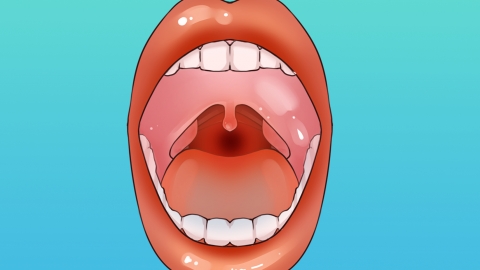
Under normal circumstances, the throat refers to the pharynx. A sore throat accompanied by pain when swallowing saliva may be caused by factors such as dry environment, excessive voice use, cough variant asthma, acute pharyngitis, or acute epiglottitis. Treatment options include general care and medication, under a doctor's guidance. It is also important to develop healthy lifestyle habits, maintain regular作息 (作息 should be translated as作息 patterns), and avoid staying up late.
Generally speaking, the throat refers to the pharynx. A sore throat accompanied by pain when swallowing saliva may be caused by factors such as dry environment, excessive voice use, cough variant asthma, acute pharyngitis, or acute epiglottitis. Treatment options, including general care and medication, can be adopted under the guidance of a doctor. If symptoms are severe, timely medical attention is recommended. The detailed analysis is as follows:
1. Dry Environment
When the humidity level in the environment is low, moisture on the pharyngeal mucosa evaporates more quickly, causing the mucosa to become dry and fragile. During swallowing, the movement of the throat muscles and the friction against the dry mucosa stimulate nerve endings, resulting in pain. It is recommended to use a humidifier to increase indoor air humidity.
2. Excessive Voice Use
Speaking loudly or singing for prolonged periods can cause fatigue in the throat muscles and frequent vibration and friction of the vocal cords, leading to congestion and swelling of the pharyngeal mucosa. During swallowing, this congestion and swelling may be stimulated by normal throat movements, causing pain. It is important to plan voice usage appropriately, avoid prolonged continuous vocalization, take breaks during extended speaking periods, and drink plenty of warm water to soothe the throat.
3. Cough Variant Asthma
Cough variant asthma is typically caused by airway hyperresponsiveness and chronic inflammation, which may be related to factors such as allergies or infections. Severe coughing during an episode can strain the pharyngeal mucosa, causing pain during swallowing. Symptoms such as chest tightness and wheezing may also occur. Patients can use medications such as budesonide inhalation aerosol, montelukast sodium tablets, and combination ipratropium bromide inhalation solution under a doctor's guidance.
4. Acute Pharyngitis
Acute pharyngitis is primarily caused by viral or bacterial infection. Viruses or bacteria multiply on the pharyngeal mucosa, triggering an inflammatory response that causes congestion, swelling, and stimulation of nerve endings, leading to pain. When swallowing saliva, the contraction of throat muscles compresses the swollen mucosa, intensifying the pain. Additional symptoms such as fever and fatigue may also be present. Medications such as cefalexin granules, amoxicillin capsules, and roxithromycin dispersible tablets may be used under medical supervision.
5. Acute Epiglottitis
Acute epiglottitis is often caused by bacterial or viral infection, although it can also result from trauma or allergies. The epiglottis is located in the upper part of the throat. When inflammation occurs, the epiglottis swells, and during swallowing, saliva passing over the swollen area stimulates nerve endings, causing pain. Symptoms such as difficulty swallowing and hoarseness may also accompany this condition. Treatment typically involves medications such as ceftriaxone sodium for injection, prednisone acetate tablets, and Yinhuang tablets, used in accordance with medical advice.
Maintaining healthy lifestyle habits is important, including regular sleep patterns, avoiding late nights, ensuring sufficient sleep, and maintaining normal physiological functions of the body.





