


What should I do if the piece of flesh in my throat drops down?
May 08, 2025
Source: Cainiu Health

Dr. Lu Cheng
Introduction
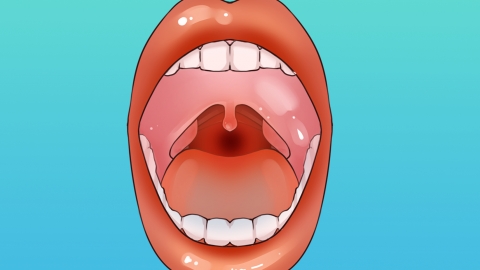
Under normal circumstances, the "fleshy pendant" at the back of the throat refers to the uvula. The uvula falling down may be caused by improper sleeping posture, excessive voice use, allergic reactions, acute pharyngitis, chronic tonsillitis, or other reasons. Treatment options include general care and medication, which should be conducted under a doctor's guidance. If discomfort occurs, prompt medical attention is recommended.
Generally speaking, the fleshy piece at the back of the throat refers to the uvula. The uvula hanging down may be caused by improper sleeping posture, excessive voice use, allergic reactions, acute pharyngitis, chronic tonsillitis, and other reasons. Treatment options include general care and medication under a doctor's guidance. If discomfort occurs, timely medical attention is recommended. Detailed explanations are as follows:
1. Improper sleeping posture
When lying on the back for a prolonged period during sleep, gravity may cause the uvula to fall backward, making it appear as if it has dropped down. It is recommended to sleep on your side and avoid lying flat for long periods.
2. Excessive voice use or loud shouting
Overusing the voice can fatigue the uvula and surrounding tissues, causing the local muscles to relax and the uvula to droop. One should use the voice appropriately and avoid prolonged, high-intensity vocal activities such as long speeches, loud singing, or shouting.
3. Allergic reactions
Exposure to allergens such as pollen, dust mites, or certain foods may trigger an allergic reaction in the body, leading to uvular mucosal edema and causing the uvula to drop. This may be accompanied by symptoms such as nasal itching, sneezing, and itchy eyes. Antihistamine medications such as Loratadine tablets, Cetirizine hydrochloride drops, or Montelukast sodium chewable tablets may be used under medical guidance.
4. Acute pharyngitis
Acute pharyngitis is often caused by viral or bacterial infections. Inflammatory stimulation may cause congestion and edema of the uvula, making it enlarged and droopy. Symptoms may include sore throat, burning sensation, and difficulty swallowing. Treatment may include antiviral oral solutions, Amoxicillin capsules, and Lanqin oral liquid under medical guidance.
5. Chronic tonsillitis
Chronic tonsillitis mainly develops from repeated episodes of acute tonsillitis or due to poor drainage of the tonsillar crypts, allowing bacterial or viral growth and infection. Long-term inflammation may cause chronic infiltration of surrounding tissues, resulting in uvular relaxation and drooping. Symptoms may include a foreign body sensation in the throat and irritation-induced coughing. Medications such as Cefaclor dispersible tablets, compound borax mouthwash, and Qinghou Liyan granules may be used according to medical advice.
It is recommended to maintain fresh indoor air, engage in moderate physical exercise to strengthen the immune system, maintain good oral hygiene, and reduce the risk of infection.





