


How to relieve dysmenorrhea pain most quickly and effectively
May 08, 2025
Source: Cainiu Health

Dr. Zhang Lu
Introduction
Generally speaking, there is no specific method that can relieve menstrual pain the fastest and most effectively in the absence of dysmenorrhea. Dysmenorrhea may be caused by factors such as staying up late, psychological stress, endometriosis, adenomyosis, pelvic inflammatory disease, and others. Treatment options include general management and medication, under a doctor's guidance. If discomfort occurs, prompt medical consultation is recommended.
Generally speaking, there is no specific method to quickly and effectively relieve menstrual pain when there is no dysmenorrhea. Dysmenorrhea may be caused by factors such as staying up late, psychological stress, endometriosis, adenomyosis, pelvic inflammatory disease, and others. Treatment options include general management and medication under a doctor's guidance. If symptoms persist, timely medical consultation is recommended. Detailed analysis is as follows:
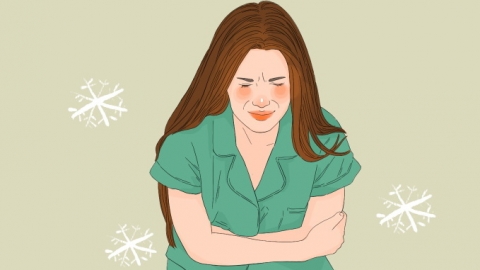
1. Staying up late
Staying up late can lead to abnormal levels of prostaglandin hormones. When the levels of prostaglandin F2α and prostaglandin E2 increase, excessive contraction of uterine smooth muscle and vascular spasms may occur, leading to uterine ischemia and hypoxia, which result in menstrual pain. No medication is required; maintaining a healthy lifestyle, regular sleep patterns, and avoiding staying up late are recommended.
2. Psychological factors
Long-term tension, anxiety, and high stress can affect the nervous system, causing dysfunction of the hypothalamic-pituitary-ovarian axis, which leads to abnormal uterine contractions and causes dysmenorrhea. Medication is generally not required. Learning self-psychological regulation techniques such as meditation, deep breathing, listening to calming music, and maintaining a positive and optimistic mindset can help alleviate symptoms.
3. Endometriosis
Endometriosis may be related to genetic factors. Endometrial tissue that should grow inside the uterine cavity appears in areas outside the uterus. These displaced tissues also undergo periodic bleeding along with the menstrual cycle, but the blood cannot be expelled from the body as normal endometrial tissue does, leading to localized hematomas and causing dysmenorrhea. It may be accompanied by infertility and menstrual irregularities. Patients can take medications such as ibuprofen sustained-release capsules, naproxen tablets, or diclofenac sodium enteric-coated tablets under a doctor's advice to relieve symptoms.
4. Adenomyosis
Adenomyosis is mainly caused by congestion and periodic bleeding of ectopic endometrial glands within the uterine muscle layer. During menstruation, the ectopic endometrium becomes congested and bleeds, causing swelling of the uterine muscle layer, increased intrauterine pressure, and spasmodic contractions of the uterine smooth muscle, resulting in dysmenorrhea. It may also be accompanied by heavy menstrual bleeding, prolonged menstrual periods, and an enlarged uterus. Patients can take medications such as danazol capsules, gestrinone capsules, or indomethacin capsules under medical guidance.
5. Pelvic Inflammatory Disease
Pelvic inflammatory disease is often caused by mixed infections of exogenous and endogenous pathogens. Inflammatory stimulation causes pelvic tissue congestion and edema. During menstruation, pelvic congestion worsens, and inflammatory factors stimulate nerve endings, triggering dysmenorrhea. Symptoms may also include lower abdominal pain, fever, and increased vaginal discharge. Patients should follow medical advice to use medications such as ceftriaxone sodium injection, metronidazole tablets, or azithromycin tablets for treatment.
In daily life, it is important to keep the abdomen warm, especially avoiding cold exposure during menstruation; consume warm, easily digestible foods and avoid raw, cold, or spicy irritants; reduce prolonged sitting, avoid excessive fatigue, and engage in appropriate physical activity to promote blood circulation.





