How to relieve pain from a scald burn
Nov 24, 2025
Source: Cainiu Health

Dr. Liu Wenmin
Introduction
After a scald from boiling water, promptly relieving pain requires following scientific steps. Key pain-relief measures include cooling the area with running cold water, followed by cold compresses to enhance analgesia, properly protecting the wound to avoid irritation, appropriate use of topical medications, and adjusting the position of the affected area to reduce discomfort. After treatment, observe the wound daily for any changes. Seek timely medical attention if signs such as increased redness, swelling, or fluid discharge occur.
After scald burns from boiling water, promptly relieving pain requires following scientific steps. Key pain-relief measures include cooling the area with cold water, applying subsequent cold compresses to enhance analgesia, properly protecting the wound to avoid irritation, using topical medications appropriately, and adjusting the position of the injured area to reduce discomfort. The details are as follows:
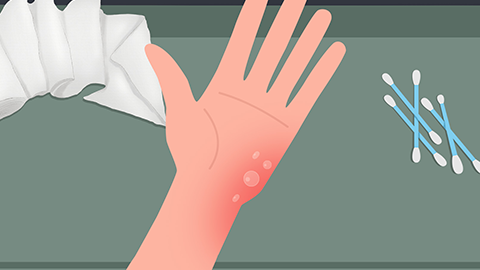
1. Cooling with Cold Water Flush: Immediately after a burn, immerse or rinse the affected area under running water at 15–20°C for 15–20 minutes. Cold water rapidly removes residual heat, halting further thermal damage to the skin.
2. Subsequent Cold Compress for Enhanced Pain Relief: If pain persists after initial cold water treatment, apply a clean towel-wrapped ice pack or cold towel gently to the burned area for 10–15 minutes. Repeat every 1–2 hours as needed. Cold compresses help continuously constrict local blood vessels, reduce inflammatory exudation, and further alleviate swelling and pain.
3. Protecting the Wound to Avoid Irritation: After a burn, the skin barrier is compromised. Keep the wound clean and dry, avoiding friction, pressure, or contact with contaminants. If the skin surface remains intact, leave it exposed to air. For small blisters, do not puncture them; instead, cover gently with sterile gauze.
4. Appropriate Use of Topical Medications: Once pain begins to subside, apply burn-specific ointments—such as Moist Exposed Burn Ointment—under medical guidance. These ointments form a protective layer that shields the wound from irritants while providing analgesic and anti-inflammatory effects, promoting wound healing.
5. Adjusting Position to Reduce Discomfort: Elevate the injured limb above heart level—for example, raise the arm on a pillow for hand burns or elevate the leg for lower limb burns. This improves venous return, reduces local swelling, and thereby alleviates the sensation of painful distension.
After treatment, monitor the wound daily. Seek prompt medical attention if signs such as increased redness, swelling, or discharge develop. When handling boiling water in daily life, take preventive measures such as using heat-resistant tools. During recovery, maintain a light diet and consume more protein-rich foods to support wound healing.