


How to Eat Black Beans in the Best Way
May 08, 2025
Source: Cainiu Health

Dr. Yang Ziqi
Introduction
In general, it is preferable to prepare black beans as black bean soy milk, black bean stew, black bean salad, black bean porridge, or black beans steamed with rice. In daily life, it is important to maintain a diversified diet, consume sufficient vegetables, fruits, whole grains, and protein, and avoid excessive intake of high-sugar, high-salt, and high-fat foods in order to maintain good health.
Generally speaking, there is no definitive way to say how black soybeans should be best consumed. It is advisable to include black soybeans in dishes such as black soybean soy milk, black soybean stewed soup, black soybean salad, black soybean porridge, and black soybean steamed rice. Detailed explanations are as follows:
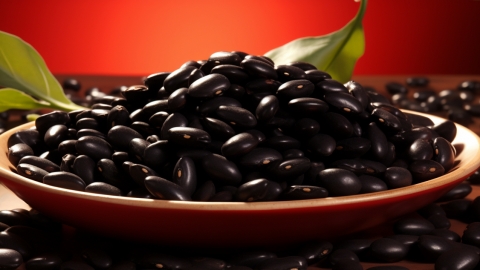
1. Black Soybean Soy Milk
After soaking black soybeans, blend them using a soy milk maker to create soy milk. Black soybean soy milk is rich in protein, vitamin E, B vitamins, and unsaturated fatty acids. These nutrients can enhance kidney function, effectively remove free radicals from the body, reduce skin wrinkles, and achieve beautifying and anti-aging effects.
2. Black Soybean Stewed Soup
Black soybeans can be stewed together with other ingredients such as red dates, goji berries, and lotus seeds to make a nutritious black soybean soup. This soup not only tastes delicious but also nourishes the liver and kidneys, enriches blood, and boosts vital energy. It is especially suitable for consumption during autumn and winter seasons.
3. Black Soybean Salad
Cooked black soybeans can be mixed with various vegetables like carrots, cucumbers, and tomatoes. Season with olive oil, lemon juice, salt, and pepper to make a delicious black soybean salad. This salad is not only colorful and refreshing in taste but also rich in multiple vitamins and minerals, helping to maintain overall health.
4. Black Soybean Porridge
Mix black soybeans with rice in a certain proportion and cook them together with water to make porridge. Black soybean porridge is easy to digest and can nourish the stomach, strengthen the spleen, enrich blood, and boost vital energy. It can be consumed for breakfast or dinner and is suitable for individuals with indigestion or weak physical conditions.
5. Black Soybean Steamed Rice
Add a small amount of washed black soybeans to regular white rice and steam them together. This enriches the rice with additional nutrients. Black soybean steamed rice offers a unique texture while increasing the protein and vitamin content of the rice, thereby enhancing its overall nutritional value.
In daily life, it is important to maintain a diversified diet, consume sufficient vegetables, fruits, whole grains, and protein, and avoid excessive intake of high-sugar, high-salt, and high-fat foods in order to maintain good health.


