


What are the differences between Pueraria flower and Pueraria root?
May 12, 2025
Source: Cainiu Health

Dr. Zhang Xiuhong
Introduction
Kudzu flower is the blossom of the leguminous plant Pueraria lobata or Pueraria thomsonii, representing the flowering part of the plant; while kudzu root is the root portion, specifically the underground tuber of the same plant. Kudzu flowers are butterfly-shaped, usually light purple or white in color, and are light and small in appearance. Kudzu roots are long and cylindrical, with an outer skin that is yellowish brown or grayish yellow, and a fleshy inner portion that is white or pale yellow.
The differences between Pueraria flower and Pueraria root generally include the plant part used, appearance characteristics, medicinal properties, primary functions, and application ranges. A detailed analysis is as follows:
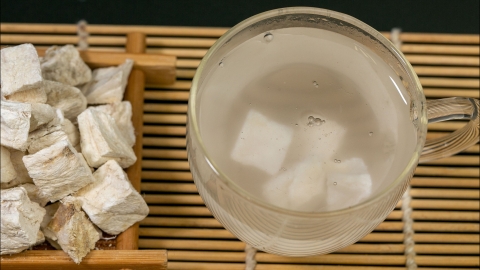
1. Plant Source: Pueraria flower comes from the flowers of the leguminous plants Pueraria lobata or Pueraria thomsonii, representing the blooming part of the plant, whereas Pueraria root is the root part—specifically the underground tuberous roots of the same plant.
2. Appearance Characteristics: Pueraria flowers are butterfly-shaped, usually light purple or white, and are light and small. Pueraria roots are long cylindrical in shape, with an outer skin that is yellowish-brown or grayish-yellow, and have a white or pale yellow interior flesh.
3. Medicinal Properties: Pueraria flower is neutral in nature, with a sweet and slightly bitter taste, and functions to relieve alcohol toxicity and clear heat. Pueraria root is cool in nature, sweet and acrid in taste, primarily used for relieving muscle fever, promoting fluid production, and quenching thirst, possessing a relatively cooling medicinal property.
4. Primary Functions: Pueraria flower is particularly effective in alleviating discomfort caused by excessive alcohol consumption, such as headache and nausea, and is commonly used for alleviating alcohol intoxication and protecting the liver. Pueraria root mainly functions to relieve feverish headaches, improve thirst, and dilate blood vessels, making it suitable for individuals with common colds accompanied by fever or hypertension.
5. Application Range: Pueraria flower is more suitable for individuals needing alcohol detoxification or liver function regulation, whereas Pueraria root is appropriate for those suffering from wind-heat type colds, dry mouth and throat, or requiring blood pressure reduction.
When choosing between Pueraria flower and root, one should base the decision on personal needs and body constitution, and use them appropriately under the guidance of healthcare professionals to ensure safety and effectiveness.



