


Is the HIV test strip reliable?
May 20, 2025
Source: Cainiu Health

Dr. Yang Ziqi
Introduction
Most standard HIV test kits use the immunochromatographic method to determine infection by detecting HIV antibodies or antigens in samples such as blood or saliva. When the test is performed correctly and after the window period, the accuracy is relatively high. However, improper procedures, such as insufficient collection of blood or saliva samples, may lead to inaccurate results, producing false positives or false negatives.
Generally, standardized HIV test kits are relatively reliable, but false-positive or false-negative results may occur and therefore they cannot serve as the definitive basis for diagnosis. The analysis is as follows:
Standardized HIV test kits mostly use immunochromatographic assays to determine whether infection exists by detecting HIV antibodies or antigens in samples (blood, saliva, etc.). When testing is performed correctly and after the window period, the accuracy is relatively high.
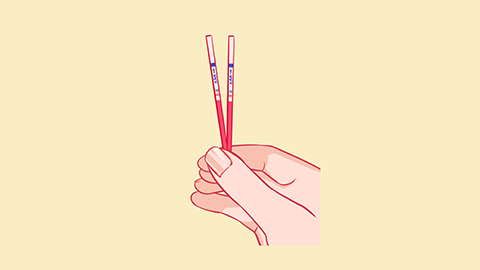
However, if there are deviations during the operation, such as insufficient collection of blood or saliva samples, improper timing of the test, or failure to store the test kits as instructed, inaccurate results, including false positives or false negatives, may occur.
If testing is performed during the window period, the antibody or antigen levels in the body may be too low to be accurately detected by the test kit. Therefore, individuals infected with HIV who are in the window period may receive a false-negative result when using test kits.
HIV test kits can serve as preliminary screening tools, but the results cannot be used as a definitive diagnosis. If the test result is positive, it is essential to visit a正规 medical facility for further testing. Even if the result is negative, individuals who have engaged in high-risk behaviors and are within the window period should be retested after the window period has passed.








