


Can eggs and preserved eggs be eaten together?
May 28, 2025
Source: Cainiu Health

Dr. Yang Ziqi
Introduction
Under normal circumstances, eggs and preserved eggs (pidan) can be consumed together, but should be eaten in moderation. Eggs are rich in high-quality protein, vitamin A, vitamin D, vitamin B12, folic acid, cholesterol, iron, selenium, and other nutrients. Preserved eggs are made from duck eggs and contain protein, fat, B-complex vitamins, calcium, phosphorus, iron, sodium, lead, and other components.
Generally speaking, eggs and preserved duck eggs (pi dan) can be consumed together, but in moderation. Detailed analysis is as follows:
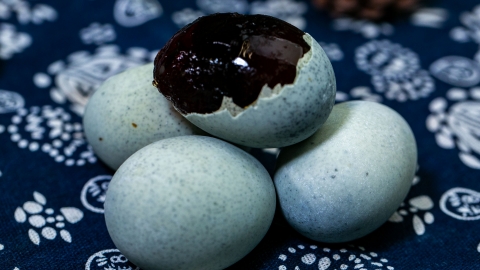
Eggs are rich in high-quality protein, vitamin A, vitamin D, vitamin B12, folic acid, cholesterol, iron, selenium, and other nutrients. Protein serves as the foundation for tissue repair in the body, vitamin D promotes calcium absorption, and selenium has antioxidant properties. Preserved duck eggs are processed from duck eggs and contain protein, fat, B-complex vitamins, calcium, phosphorus, iron, sodium, lead, and other components. Their unique flavor results from fermentation with alkaline substances. Traditional Chinese medicine believes they can help relieve heat accumulation and alleviate hangovers, although their nutritional value is lower compared to fresh eggs.
However, it is important to consume them in moderation. Both are high-protein foods, and excessive consumption may increase the metabolic burden on the liver and kidneys. Individuals with weaker digestion, such as elderly people or postoperative patients, may experience abdominal distension or indigestion. It is recommended to consume them with vegetables or whole grains to balance the diet. Pregnant women and children are advised to prioritize fresh eggs, as the alkaline substances in preserved duck eggs might interfere with nutrient absorption and there is also a risk of lead content.
When consuming eggs and preserved duck eggs, it is important to combine them appropriately according to individual constitution and health conditions, following the principle of moderation to avoid excessive intake. If any discomfort occurs, seek medical attention promptly and adjust your diet as instructed by a physician. It is also recommended to maintain dietary diversity and balance in daily meals, avoiding excessive intake of any single food or nutrient.





