


Can chestnuts and Chinese bayberries be eaten together?
Jun 09, 2025
Source: Cainiu Health

Dr. Yu Yongchao
Introduction
Under normal circumstances, chestnuts and waxberries can be consumed together. Chestnuts are rich in carbohydrates, protein, vitamins, and minerals, while waxberries contain abundant vitamin C, dietary fiber, and antioxidant substances. The nutritional components of these two foods complement each other, and consuming them together does not cause chemical reactions or degrade each other's nutrients. However, excessive consumption should be avoided.
Generally speaking, chestnuts and waxberries can be consumed together, but excessive consumption should be avoided. A detailed explanation is as follows:
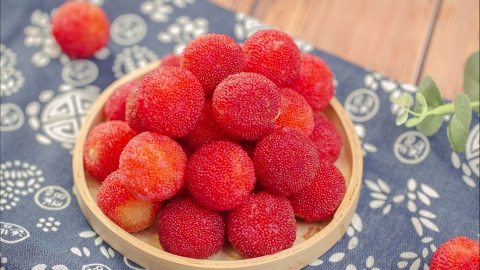
Chestnuts are rich in carbohydrates, protein, vitamins, and minerals, while waxberries contain abundant vitamin C, dietary fiber, and antioxidants. Their nutritional components complement each other, and consuming them together does not cause chemical reactions or degrade each other's nutrients. Therefore, healthy individuals can include both chestnuts and waxberries as part of their regular diet, as long as intake remains moderate.
However, excessive consumption may cause problems. Chestnuts are high in starch and difficult to digest, so individuals with weak spleen and stomach function or digestive disorders, and those who frequently suffer from constipation should avoid eating excessive amounts. Additionally, the acidic substances in waxberries may irritate the stomach lining. Combined consumption could increase the burden on the gastrointestinal tract. Patients with excessive stomach acid, gastric ulcers, or gastritis should consume waxberries sparingly, especially avoiding consumption on an empty stomach.
In daily diets, it is recommended to appropriately combine foods and pay attention to portion control, avoiding excessive consumption of any single food item, which helps maintain overall health.


