


Can loofah, shrimp, and black fungus be eaten together?
Jun 10, 2025
Source: Cainiu Health

Dr. Yu Yongchao
Introduction
Luffa is rich in water, B-vitamins, and dietary fiber; shrimp contains high-quality protein and minerals such as calcium and zinc; while Malabar spinach provides vitamin A, iron, and dietary fiber. When consumed together, these three ingredients offer a diverse supply of proteins, vitamins, and minerals. Cooking methods such as stir-frying and making soup allow these ingredients to complement each other without causing any adverse interactions. Appropriate consumption can enhance both the texture and nutritional value of dishes.
Generally speaking, luffa, shrimp, and Malabar spinach can be consumed together, but intake should be controlled when eating them. Detailed analysis is as follows:
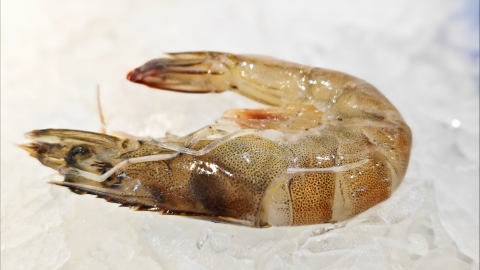
Luffa is rich in water, B-complex vitamins, and dietary fiber; shrimp contains high-quality protein and minerals such as calcium and zinc; Malabar spinach provides vitamin A, iron, and dietary fiber. Combining these three ingredients allows for diverse supplementation of protein, vitamins, and minerals. In cooking methods such as stir-frying or making soup, the ingredients do not conflict chemically, and moderate consumption can enhance both the flavor and nutritional value of dishes, making it suitable for regular dietary combinations.
Shrimp is a high-protein ingredient; individuals with gout or elevated uric acid levels may experience joint discomfort due to excessive intake of purines if consumed in large quantities. Malabar spinach contains oxalic acid, which may combine with calcium from shrimp and affect its absorption. Patients with impaired kidney function should be cautious about the metabolic burden of oxalic acid. Those allergic to shrimp or leafy vegetables may experience allergic reactions such as rashes or swelling of the throat upon mixed consumption and should proceed cautiously.
When cooking these ingredients together in daily meals, it is recommended to first remove the shells and veins from the shrimp, blanch the Malabar spinach to reduce oxalic acid content, and then stir-fry quickly or make soup with luffa, avoiding prolonged high-temperature cooking that may damage nutrients.


