


Can I consume cooking wine after appendectomy?
Jun 16, 2025
Source: Cainiu Health

Dr. Shen Yonghua
Introduction
If more than seven days have passed since the appendectomy, and the patient's gastrointestinal function has returned to normal without discomfort such as abdominal pain or bloating, and the wound is healing well, then the patient may consume small amounts of dishes cooked with cooking wine. Most of the alcohol content in cooking wine evaporates during the cooking process, and the remaining components can help remove fishy odors and enhance flavor. Moderate consumption will not cause significant effects on the body.
Generally speaking, whether one can consume cooking wine after appendectomy depends on the stage of postoperative recovery and physical condition. It is acceptable to have a small amount when gastrointestinal function has recovered and the wound is healing well, but not recommended during the early postoperative period or for those sensitive to alcohol. Detailed analysis is as follows:
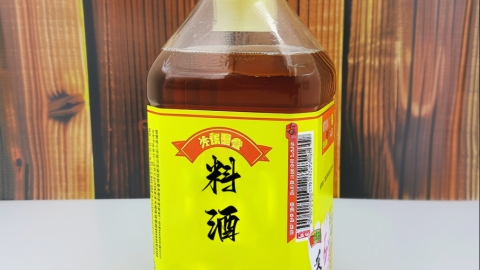
If it has been more than seven days since the appendectomy, and the patient's gastrointestinal function has returned to normal without discomfort such as abdominal pain or bloating, and the wound is healing well, dishes cooked with a small amount of cooking wine may be consumed. Most of the alcohol contained in cooking wine evaporates during cooking, and the remaining components can help remove fishy odors and enhance flavor. Moderate consumption will not cause significant adverse effects on the body and may improve the taste of postoperative meals and stimulate appetite.
During the early phase after appendectomy, intestinal function has not fully recovered. Consuming food containing cooking wine at this stage may irritate the gastrointestinal mucosa due to residual alcohol, leading to discomfort such as nausea and vomiting, which can delay the recovery of intestinal function. Additionally, patients who are allergic to alcohol or suffer from liver disease may experience allergic reactions or increased liver strain after consuming cooking wine. In such cases, foods containing cooking wine should be avoided.
Diet after appendectomy should primarily be light and easily digestible. Other seasonings can be used as substitutes for cooking wine during food preparation to ensure healthy eating and support recovery.





