


Can persimmons and soy milk be consumed together?
Jun 17, 2025
Source: Cainiu Health

Dr. Yu Yongchao
Introduction
Under normal circumstances, persimmons and soy milk can be consumed together, but it is not recommended to eat them in large quantities. Persimmons contain tannic acid, which can react with gastric acid on an empty stomach to form persimmon stones. It is advisable to eat other foods first before drinking soy milk. Soy milk should be thoroughly boiled to remove its beany smell and anti-nutritional factors, and uncooked soy milk should be avoided to prevent gastrointestinal discomfort. In addition, persimmons are cooling in nature, and chilled soy milk also has a cold property when consumed cold.
Generally speaking, persimmons and soy milk can be consumed together, but excessive consumption is not recommended. The detailed explanation is as follows:
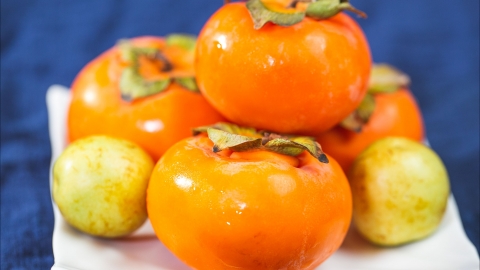
Persimmons are rich in vitamin C, dietary fiber, and minerals such as potassium and magnesium. Vitamin C helps enhance immunity, while dietary fiber promotes intestinal motility. Soy milk, made from soybeans, contains high-quality plant protein, unsaturated fatty acids, calcium, and B vitamins. Protein provides amino acids for the body, and calcium contributes to strong bones. When consumed together, the vitamin C in persimmons can enhance the absorption of iron in soy milk. The dietary fiber in persimmons, working together with plant sterols in soy milk, can better regulate the intestinal environment. Additionally, the sweet, soft texture of persimmons complements the rich flavor of soy milk, making them suitable as a daily snack.
Persimmons contain tannic acid, which may react with gastric acid on an empty stomach to form bezoars. It is recommended to eat other foods first before consuming soy milk. Soy milk should be thoroughly boiled to remove its raw beany taste and anti-nutritional factors, thus avoiding gastrointestinal discomfort caused by consuming uncooked soy milk. Moreover, persimmons are cooling in nature, and chilled soy milk is also considered cold in nature. Individuals with weak gastrointestinal function or those prone to cold conditions should limit their consumption to avoid abdominal pain and diarrhea due to excessive intake. Furthermore, tannic acid may combine with the protein in soy milk to form indigestible substances. It is advised to have a half-hour interval between consuming the two, which allows for better nutrient absorption while reducing the burden on the gastrointestinal system.


