


Can patients with kidney disease eat peaches?
Jun 19, 2025
Source: Cainiu Health

Dr. Yang Guang
Introduction
In general, patients with kidney disease can eat peaches, but excessive consumption is not recommended. However, intake should strictly follow medical advice, and the amount consumed should be controlled according to individual kidney function and blood potassium levels. Peaches should be thoroughly washed before consumption to remove residual pesticides and fuzz from the skin, preventing gastrointestinal problems caused by contaminated food and reducing additional burden on the kidneys.
Generally, patients with kidney disease can eat peaches, but excessive consumption is not recommended. Detailed analysis is as follows:
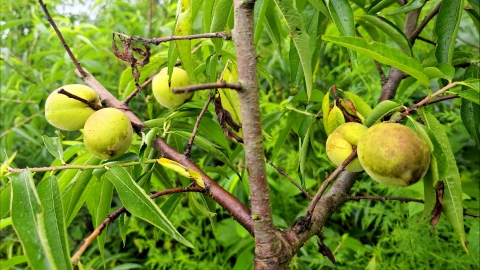
Peaches are rich in various nutrients. The vitamin C and flavonoids they contain act as antioxidants that help reduce oxidative stress damage to kidney cells, offering some protective benefits to the kidneys. A moderate amount of potassium helps regulate the body's electrolyte balance and maintain normal heart and muscle functions. When kidney function is still adequate and blood potassium levels are normal, the potassium in peaches can be properly metabolized and utilized. Additionally, the dietary fiber in peaches promotes intestinal motility, aids in maintaining good digestive function, and reduces the burden on the kidneys caused by toxin accumulation in the intestines.
However, consumption must strictly follow medical advice, controlling intake based on individual kidney function and blood potassium levels. Before eating, thoroughly wash the peaches to remove any residual pesticides and surface fuzz, preventing gastrointestinal issues caused by unclean food and thereby reducing additional strain on the kidneys. Also, choose fresh and ripe peaches, avoiding spoiled or rotten parts to prevent intake of harmful substances that could increase the metabolic burden on the kidneys.






