


Can I donate blood if I have a cold?
Jun 20, 2025
Source: Cainiu Health

Dr. Liu Feng
Introduction
Under normal circumstances, you should not donate blood when you have a cold. During a cold, your blood may contain viral inclusions or other pathogens. If these substances are transmitted to a blood recipient through transfusion, they may adversely affect the recipient's health, such as causing a new infection or worsening an existing condition. It is recommended to consider blood donation only after you have fully recovered in order to ensure safety.
Generally speaking, you should not donate blood when you have a cold. It is recommended to consider blood donation only after a full recovery. The detailed explanation is as follows:
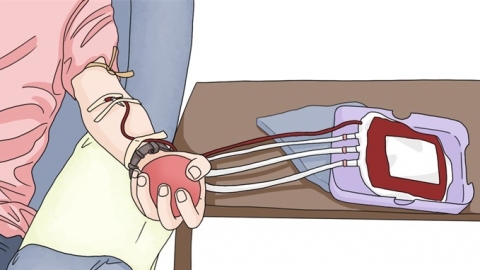
When you have a cold, your immune system is relatively weakened. Donating blood may cause your body to lose some blood, potentially making it harder to fight off infections and worsening cold symptoms such as coughing, fever, and fatigue. Additionally, your blood might contain viral inclusions or other pathogens during a cold. If these substances are transmitted to the recipient through blood transfusion, they could negatively affect the recipient's health, potentially causing new infections or exacerbating existing conditions.
It is recommended to wait at least one week after recovery from a cold before considering blood donation. Before donating, be sure to fully inform the staff at the blood donation center about your health condition and follow their guidance. In daily life, maintaining good hygiene habits, such as washing hands frequently and wearing a mask, can help prevent colds and other infectious diseases.
After donating blood, it is important to rest adequately, drink plenty of water, avoid overexertion, and maintain good hygiene practices to promote recovery.





